NFT Collections 2026: Top 10 Proven Winners Gaining Popularity This Year
NFT collections that are actually gaining traction in 2026, from Pudgy Penguins to Courtyard, with what drives each one and how to judge them safely.
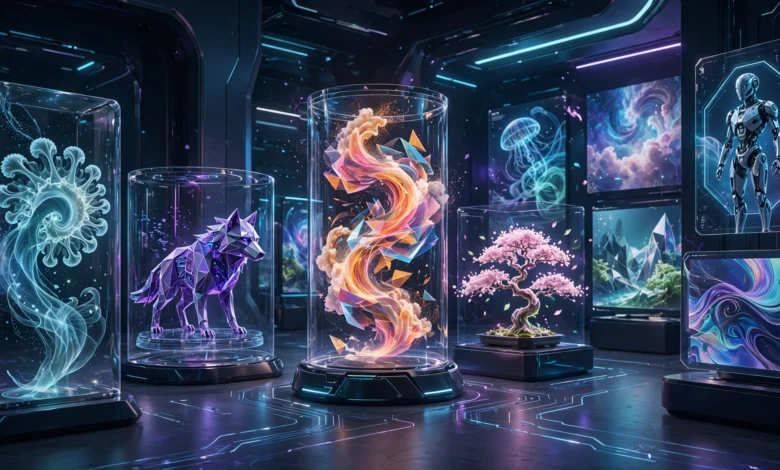
NFT collections had a rough few years after the 2021 frenzy. Floor prices crashed, celebrity projects vanished, and a lot of people decided the whole thing was over. But the market didn’t die. It got smaller, pickier, and a lot more interesting.
In 2026, the NFT market looks very different from the hype cycle most people remember. Monthly trading volume is a fraction of its peak, yet the number of individual sales has climbed, average prices have dropped, and the projects that survived are doing things that actually matter. Some sell physical toys in major retail chains. Some tokenize real trading cards stored in insured vaults. Others have turned a small profile picture into a full brand with games, tokens, and licensing deals.
That shift makes this a useful moment to look at which NFT collections are gaining popularity, and more importantly, why. Popularity in 2026 isn’t just about a celebrity tweet or a rising floor. It’s about real buyers, steady trading volume, strong communities, and use cases that extend beyond a JPEG.
This guide walks through ten top NFT collections drawing attention this year, mixing long-standing blue-chip NFTs with newer projects riding fresh trends. For each one, you’ll see what it is, why people are paying attention, and what to keep an eye on. We’ll also cover how to evaluate a collection yourself and the risks you should understand before buying anything.
The State of the NFT Market in 2026
The short version: the NFT market is smaller, but it’s healthier in some important ways. Understanding the backdrop helps you see why certain NFT collections are rising while others fade.
Volume Is Down, Activity Is Not
At the 2022 peak, monthly NFT trading volume reached billions of dollars. By early 2026, trackers were reporting monthly volume in the low hundreds of millions. Datawallet’s 2026 market review, citing CryptoSlam, put monthly volume at roughly $106 million on 1 March 2026, compared with nearly $6 billion in early 2022.
At the same time, the number of individual sales has held up surprisingly well. DappRadar data reported in mid-2026 showed a month in late 2025 with about 10 million sales and an average price near $54. That tells you something important: more people are buying cheaper NFTs, often for games, collectibles, or tokenized physical items, rather than a handful of whales trading six-figure JPEGs.
Different trackers count volume differently, and some filter out wash trading more aggressively than others. So treat any single number as a rough guide, not gospel.
What’s Driving NFT Popularity Now
A few clear trends explain which NFT projects are gaining ground in 2026:


- Brands beyond the blockchain. Collections with real-world products, licensing, and retail distribution are outperforming those that only exist online.
- Tokenized collectibles. Platforms that put physical trading cards and memorabilia on-chain have become some of the highest-volume NFT collections by sales.
- Ecosystem tokens. Several major collections launched fungible tokens that reward holders and pull new attention back to the NFTs.
- New chains and communities. Solana, Base, ApeChain, and Hyperliquid have all produced collections with loyal followings.
- Survivor status. Projects that held their communities through the 2022 to 2024 bear market have earned a level of trust newer ones can’t buy.
How We Picked These Top NFT Collections
There’s no perfect formula for ranking popular NFT collections, so we combined several signals instead of leaning on any one number. A collection made this list if it showed most of the following in 2025 and 2026:
- Consistent trading volume on public trackers like OpenSea, CryptoSlam, and DappRadar, not just a single spike
- Active holder base, with a healthy number of unique owners rather than a few wallets controlling most of the supply
- Real momentum, such as new products, partnerships, token launches, or ecosystem growth this year
- Community strength, measured by how active and engaged holders are across social platforms
- Staying power, meaning a track record of surviving market downturns, or for newer projects, a clear reason the attention isn’t purely speculative
You can check live rankings yourself on OpenSea’s top NFT collections page, which sorts collections by volume, floor price, and sales. Floor prices and rankings move daily, so we’ve focused on why each collection matters rather than quoting prices that will be stale by next week. This article is for information only and isn’t financial advice.
Top 10 NFT Collections Gaining Popularity in 2026
Here are the trending NFT collections worth knowing this year. The order reflects a blend of momentum, trading activity, and cultural relevance, not a prediction of future prices.
1. Pudgy Penguins
If one project shows how NFT collections can grow up, it’s Pudgy Penguins. The collection of 8,888 chubby penguins on Ethereum was close to written off in 2022. New leadership turned it into a consumer brand, and that bet has paid off.
Why it’s gaining popularity:
- Retail presence. Pudgy Toys are sold through major chains like Walmart and Target, putting the brand in front of people who have never owned crypto.
- The PENGU token. Its launch on Solana brought a wave of new attention and gave the community a liquid way to back the brand.
- A wider ecosystem. Lil Pudgys, games, animated content, and licensing deals keep the brand active between market cycles.
What to watch: the floor price depends heavily on how well the brand keeps converting mainstream fans. It’s one of the clearest examples of a utility NFT in the sense that matters most: real-world recognition.
2. CryptoPunks
CryptoPunks are the original profile picture NFTs. Launched in 2017 by Larva Labs, these 10,000 pixelated characters predate the NFT boom and are widely treated as the digital equivalent of a rare first edition.
Why it’s gaining popularity:
- Historic status. Punks are often described as the largest NFT collection by market cap, and they remain the reference point for blue-chip NFTs.
- New stewardship. In 2025, Yuga Labs handed the CryptoPunks IP to a nonprofit focused on preserving the collection, which reassured collectors who cared about its long-term integrity.
- Institutional interest. Museums and serious art collectors continue to acquire Punks, reinforcing their position as cultural artifacts rather than speculative tokens.
What to watch: Punks are expensive and trade in low numbers, so a few sales can swing the floor. They’re a store-of-value play for collectors, not a quick flip.
3. Courtyard
Courtyard isn’t a typical art collection at all. It tokenizes real, professionally graded trading cards and collectibles that sit in an insured vault. Each NFT represents ownership of a physical item you can redeem.
Why it’s gaining popularity:
- Huge sales activity. Courtyard has repeatedly topped weekly sales charts on trackers like CryptoSlam, often by a wide margin.
- Familiar value. Pokémon cards and sports cards already have a massive collector market. Courtyard just makes them easier to trade instantly.
- Low entry prices. Many items are cheap, which fits the 2026 shift toward more buyers spending smaller amounts.
What to watch: value here tracks the physical collectibles market and the platform’s custody arrangements, so you’re trusting the vault operator as much as the blockchain. This is the heart of the phygital NFT trend.
4. Bored Ape Yacht Club
Bored Ape Yacht Club, or BAYC, became the face of the 2021 boom. Its 10,000 apes drew celebrity buyers and huge prices before falling sharply in the bear market. In 2026, it’s still one of the most recognized NFT projects in the world.
Why it’s still drawing attention:
- ApeChain. Yuga Labs’ dedicated blockchain gives the Ape ecosystem its own home for games, tokens, and new drops.
- Otherside. The long-running metaverse project continues to develop, giving holders a reason to stay engaged.
- Brand recognition. Few NFT names carry as much mainstream awareness, which keeps steady demand at lower price levels.
What to watch: BAYC’s floor is far below its peak, and its future depends on whether Yuga’s ecosystem projects attract real users. For some buyers, the lower price is the appeal.
5. Hypurr
Hypurr is one of the most talked-about newcomers of the past year. It’s a set of 4,600 cat avatars that the Hyper Foundation gave away to early supporters of Hyperliquid, the on-chain perpetual futures exchange. The NFTs live on HyperEVM, Hyperliquid’s smart contract layer.
Why it’s gaining popularity:
- A record-setting airdrop. According to The Block’s report on the Hypurr launch, the collection opened with a floor price near $69,000 and roughly $45 million in early trading volume.
- Loyalty signal. Many holders see a Hypurr as proof of early belief in Hyperliquid, and some expect future ecosystem perks, though none are guaranteed.
- Ecosystem tailwind. Hyperliquid itself has been one of crypto’s fastest-growing platforms, and the NFT rides that visibility.
What to watch: Hypurr is also a cautionary tale. Reports from mid-2026 put the floor far below its launch level, with only a handful of daily sales. A hot launch doesn’t guarantee a stable price, which is exactly why research matters.
6. Azuki
Azuki is a collection of 10,000 anime-style characters from Chiru Labs, and it built one of the most loyal communities in the space. Its art style and storytelling made it a favorite among collectors who care about aesthetics as much as price.
Why it’s gaining popularity:
- The ANIME token. Azuki backed the launch of Animecoin, a token aimed at the wider anime fan economy, which pulled the brand into a much bigger cultural conversation.
- Strong brand identity. Azuki’s streetwear drops, physical events, and animated content keep it visible beyond crypto circles.
- A deep IP universe. Side collections like Elementals and Beanz extend the world and give fans more ways in.
What to watch: the floor has fallen a long way from its highs, so Azuki is now a test of whether a strong brand can rebuild price momentum through a broader anime strategy.
7. Collector Crypt
Collector Crypt brings the tokenized trading card idea to Solana. It focuses heavily on Pokémon cards, letting users buy, trade, and redeem graded cards as NFTs. Its digital “gacha” machine, where you pay to pull a random card, turned into a surprise hit.
Why it’s gaining popularity:
- Gamified buying. The pack-opening experience taps into the same thrill that drives physical card collecting.
- Strong volume. It has regularly appeared near the top of NFT sales rankings by number of transactions.
- Solana’s speed and low fees make frequent, small trades practical.
What to watch: like Courtyard, the value is tied to physical cards and the platform’s custody. The gacha model also carries gambling-like risks, so set firm spending limits.
8. Milady Maker
Milady Maker is a collection of 10,000 stylized characters created by the art collective Remilia. It’s polarizing, deeply online, and fiercely supported by its community, which is part of why it has lasted.
Why it’s gaining popularity:
- Cultural staying power. Milady has become a recognizable internet aesthetic that spreads well beyond NFT holders.
- Resilience. Despite controversy over the years, it has held a dedicated holder base through multiple downturns.
- Community-driven momentum. Much of its attention comes from organic memes and fan culture rather than paid marketing.
What to watch: Milady’s reputation is tied to an edgy online culture that not every buyer will be comfortable with. Read up on its history before deciding.
9. Doodles
Doodles is a colorful collection of 10,000 hand-drawn characters by artist Burnt Toast. It has leaned hard into entertainment, music, and brand partnerships, positioning itself as a creative studio as much as an NFT project.
Why it’s gaining popularity:
- The DOOD token. Its launch on Solana gave holders a stake in the broader Doodles ecosystem and drew new eyes to the collection.
- Approachable pricing. Compared with older blue-chip NFTs, Doodles offers a more realistic entry point with steady daily trading.
- Content and partnerships. Animated projects and collaborations keep the brand active outside the trading charts.
What to watch: its total volume and floor growth have cooled compared with leaders like Pudgy Penguins, so momentum depends on how well its entertainment plans land.
10. Moonbirds
Moonbirds is a collection of 10,000 pixel-art owls that launched in 2022 to enormous hype, then slumped hard. After changing hands from Yuga Labs to Orange Cap Games in 2025, it has been working on a comeback.
Why it’s gaining popularity again:
- New ownership with a plan. The new team has focused on physical collectibles, games, and rebuilding community trust.
- Comeback narrative. Collectors love a turnaround story, and Moonbirds has become one of the most-watched revival attempts in digital collectibles.
- Recognizable art. The owls remain one of the more distinctive PFP designs around.
What to watch: comebacks are hard. Moonbirds is a higher-risk pick whose success depends on the new owners following through.
Quick Comparison of the Top NFT Collections
| Collection | Chain | Supply | Main appeal in 2026 | Risk profile |
|---|---|---|---|---|
| Pudgy Penguins | Ethereum | 8,888 | Retail brand, PENGU token | Medium |
| CryptoPunks | Ethereum | 10,000 | Historic blue chip | Medium |
| Courtyard | Polygon | Large, ongoing | Tokenized graded cards | Medium |
| Bored Ape Yacht Club | Ethereum | 10,000 | Brand, ApeChain ecosystem | Medium to high |
| Hypurr | HyperEVM | 4,600 | Hyperliquid loyalty status | High |
| Azuki | Ethereum | 10,000 | Anime brand, ANIME token | Medium to high |
| Collector Crypt | Solana | Large, ongoing | Pokémon cards, gacha | Medium to high |
| Milady Maker | Ethereum | 10,000 | Internet culture | High |
| Doodles | Ethereum | 10,000 | Entertainment, DOOD token | Medium to high |
| Moonbirds | Ethereum | 10,000 | Turnaround story | High |
Risk ratings here are our general judgment based on liquidity, price history, and how much of the value depends on future plans. They aren’t investment ratings.
How to Evaluate NFT Collections Before You Buy
Popularity is a starting point, not a buying signal. Before you put money into any of these NFT collections, or the next one that trends on social media, run through a few simple checks.
Key Metrics That Actually Matter
- Floor price: the cheapest listed NFT in the collection. Useful, but easy to move when few sales happen.
- Trading volume: how much is bought and sold over a period. Look at 30-day and 90-day trends, not just a single day.
- Unique holders: how many wallets own the collection. More owners usually means less risk of a few whales controlling prices.
- Listed percentage: if a large share of the supply is listed for sale, sellers may outnumber buyers.
- Sales count: a high volume from a handful of sales tells a different story than steady activity from many buyers.
Questions to Ask About Any NFT Project
- Who is the team, and what have they delivered in the past?
- Does the collection have a reason to exist beyond trading, such as a brand, game, community, or physical asset?
- How did it perform during the last market downturn?
- Are royalties, roadmaps, or token plans clearly explained?
- Is the trading volume real, or could it be inflated by wash trading?
Trackers that filter suspicious activity, like CryptoSlam, can help with that last question. When numbers look too good, compare more than one source.
How to Buy NFTs Safely in 2026
If you decide to buy, the process is simple. Doing it safely takes a little more care.
Step-by-Step Buying Process
- Set up a self-custody wallet that supports the right chain, such as MetaMask or Rabby for Ethereum, or Phantom for Solana.
- Fund it with the cryptocurrency the collection trades in, usually ETH, SOL, or another native token.
- Use a reputable NFT marketplace like OpenSea, Blur, or Magic Eden, and reach it through a saved bookmark rather than a search ad or link.
- Verify the collection. Check the official contract address on the project’s website or verified social accounts. Copycat collections with near-identical names are common.
- Review the transaction in your wallet before signing, including what permissions you’re granting.
- Store valuable NFTs securely, ideally in a wallet connected to a hardware device.
Security Habits That Protect Your NFTs
- Never share your seed phrase with anyone, including people claiming to be support staff.
- Ignore unsolicited DMs offering free mints, airdrops, or “exclusive” deals.
- Be careful with signature requests on unfamiliar sites. Some can transfer your entire collection.
- Periodically review and revoke old token approvals using a tool like Revoke.cash.
- Keep high-value NFTs in a separate wallet from the one you use for minting and experimenting.
The U.S. SEC’s investor alerts on crypto assets are a useful, neutral reference for spotting common scams in this space.
Risks of Investing in NFT Collections
Even the strongest NFT collections carry real risks. Going in with clear eyes is the best protection you have.
Liquidity Risk
NFTs aren’t like stocks you can sell in a second. If buyers disappear, you may not be able to sell at anything close to the floor price, or at all. Collections with few daily sales are especially exposed.
Price Volatility
Floor prices can drop 50% or more in weeks. Hypurr’s slide after its launch shows how quickly early excitement can fade, even for a collection tied to a successful platform.
Wash Trading and Misleading Data
Some volume is generated by people trading with themselves to make a collection look busier than it is. Rely on trackers that filter this activity, and look at the number of unique buyers rather than volume alone.
Custody and Platform Risk
For tokenized collectibles like Courtyard and Collector Crypt, your NFT is only as good as the company holding the physical item. Read how redemption works and who insures the vault.
Scams and Security Threats
Phishing sites, fake mints, and malicious signature requests remain the most common ways people lose NFTs. Most losses are preventable with careful habits.
Regulatory and Tax Uncertainty
Rules for NFTs differ across countries and are still changing. In many places, selling an NFT at a profit is taxable. Keep records of every purchase and sale, and check your local rules.
NFT Trends to Watch for the Rest of 2026
Looking at which NFT collections are gaining popularity, a few patterns stand out for the months ahead:
- Real-world asset NFTs will likely keep growing, especially for trading cards, luxury goods, and memorabilia.
- Brand-led collections with products and licensing should continue to outperform art-only projects.
- Tokens paired with NFTs will remain a common strategy, though their long-term value is still being tested.
- Gaming NFTs may see renewed interest as more polished blockchain games launch.
- Lower average prices with more buyers suggests the NFT market is broadening, even if headline volume stays well below 2021 levels.
None of these trends guarantees profits. They simply show where attention and activity are moving.
Conclusion
The NFT collections gaining popularity in 2026 share one thing in common: they give people a reason to care beyond a rising floor price. Pudgy Penguins and Doodles have built consumer brands, CryptoPunks and Milady Maker draw on history and culture, Courtyard and Collector Crypt tie NFTs to real trading cards, Bored Ape Yacht Club and Azuki are leaning on ecosystems and tokens, Hypurr rewards early loyalty to a fast-growing platform, and Moonbirds is attempting a comeback under new owners. The NFT market is smaller than it was in 2021, but it now rewards substance over hype, with more buyers spending less per sale. If you’re considering any of these top NFT collections, check volume trends, holder counts, and the team’s track record, buy only through verified marketplaces and contract addresses, protect your wallet carefully, and treat every purchase as money you can afford to lose.