What Is a Crypto Wallet Types, Features, and Security Guide
Discover what a crypto wallet is, explore different types, essential security features, and best practices to protect your digital assets safely.

In the rapidly evolving world of cryptocurrency, understanding how to store and manage your digital assets is fundamental to participating in the blockchain ecosystem. A crypto wallet serves as the gateway to the decentralized financial landscape, enabling users to send, receive, and securely store their Bitcoin, Ethereum, and other cryptocurrencies. Unlike traditional banking systems, where financial institutions control your funds, crypto wallets empower individuals with complete ownership and control over their digital currencies.
The concept of a cryptocurrency wallet often confuses beginners who assume it physically stores their coins. In reality, a crypto wallet doesn’t actually hold your cryptocurrency—instead, it stores the private keys that grant you access to your funds on the blockchain. These private keys are cryptographic codes that prove ownership of your digital assets, making them the most critical component of wallet security. Understanding the distinction between public keys (your wallet address) and private keys (your access credentials) is essential for anyone entering the crypto space.
As the cryptocurrency market continues to mature, with over 80 million digital currency wallets worldwide and thousands of blockchain projects emerging, selecting the right crypto wallet has become more important than ever. Whether you’re a beginner making your first Bitcoin purchase or an experienced trader managing a diverse portfolio of altcoins, choosing between hot wallets, cold wallets, hardware wallets, and software wallets requires careful consideration of your security needs, accessibility requirements, and investment strategy.
This comprehensive guide will explore everything you need to know about crypto wallets—from understanding different wallet types and their unique features to implementing robust security measures that protect your digital assets from cyber threats. We’ll examine the advantages and disadvantages of custodial versus non-custodial wallets, discuss essential security practices including two-factor authentication and seed phrase protection, and provide actionable insights to help you make informed decisions about safeguarding your cryptocurrency investments in 2025 and beyond.
Crypto Wallets: The Foundation of Digital Asset Management
A crypto wallet is a digital tool that allows users to interact with blockchain networks by storing, sending, and receiving cryptocurrencies. At its core, a cryptocurrency wallet manages your private keys and public keys—the cryptographic credentials necessary to access and control your digital assets. The public key, also known as your wallet address, functions similarly to a bank account number that others can use to send you cryptocurrency. Conversely, your private key acts like a password or PIN, providing exclusive access to your funds and authorizing transactions on the blockchain.
The fundamental principle underlying crypto wallets is that whoever controls the private keys controls the associated digital assets. This principle has given rise to the popular phrase in the cryptocurrency community: “Not your keys, not your coins.” Unlike traditional financial systems, where banks maintain custody of your money, blockchain technology enables true ownership through private key management. When you use a crypto wallet, you’re essentially holding the cryptographic proof of ownership rather than the actual coins, which exist as records on the distributed ledger.
Crypto wallets perform several essential functions beyond simple storage. They generate wallet addresses for receiving funds, sign transactions using private keys to authorize transfers, calculate balances by querying the blockchain, and interact with decentralized applications (dApps) and smart contracts. Modern cryptocurrency wallets also provide features like portfolio tracking, price alerts, multi-currency support, and integration with decentralized finance (DeFi) protocols. Understanding these capabilities helps users select wallets that align with their specific needs and use cases within the crypto ecosystem.
The architecture of crypto wallets varies significantly depending on whether they’re software-based or hardware-based, custodial or non-custodial, and designed for hot storage or cold storage. Each design choice involves trade-offs between convenience, security, and functionality. For instance, mobile wallets offer excellent portability for daily transactions, while hardware wallets provide superior security for long-term holdings. Selecting the appropriate wallet type requires evaluating factors such as your technical expertise, the value of your holdings, transaction frequency, and tolerance for security risks.
Types of Crypto Wallets: Exploring Your Storage Options
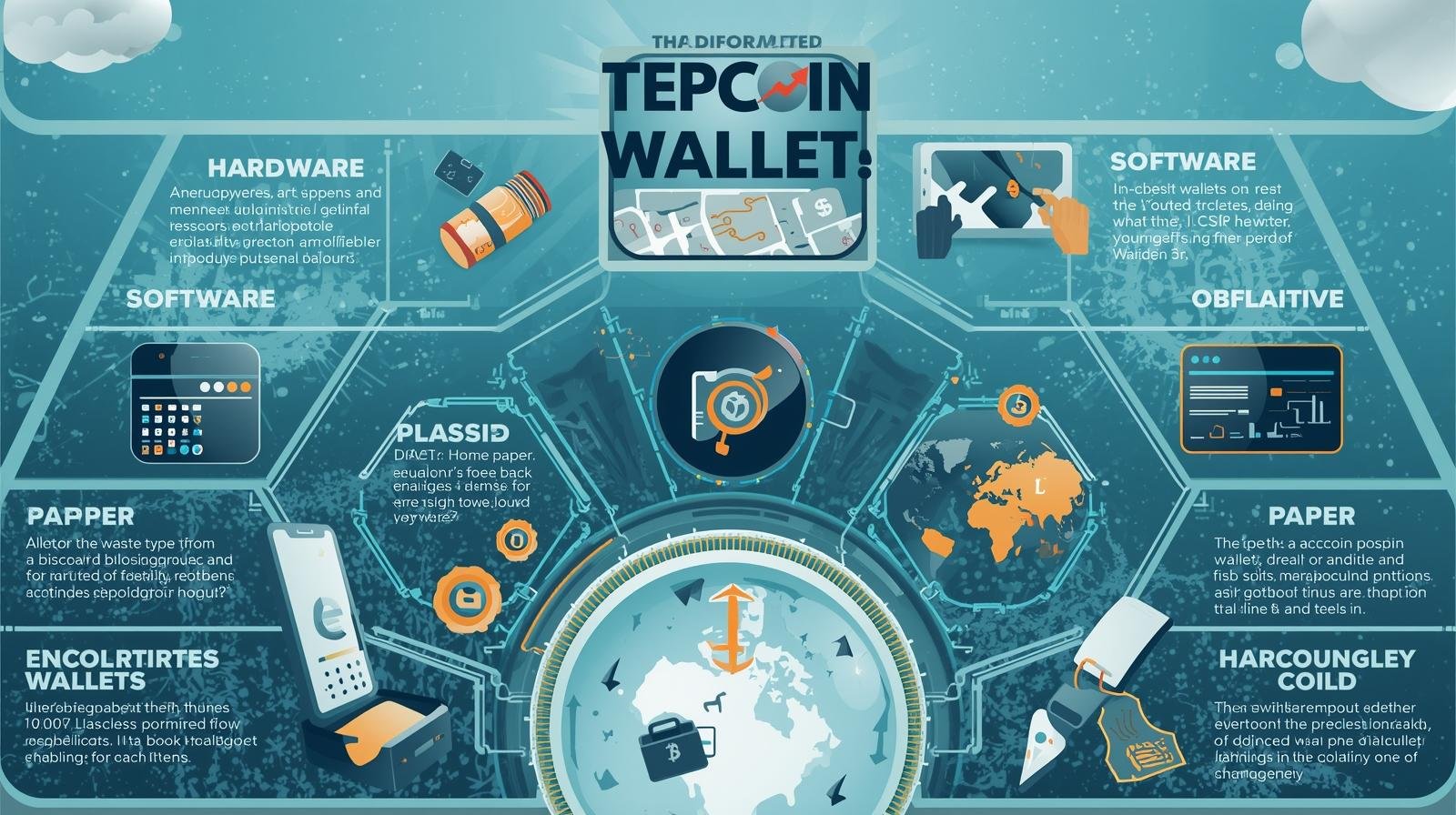


Hot Wallets: Internet-Connected Convenience
- Hot wallets are cryptocurrency wallets that maintain constant connectivity to the internet, offering immediate access to your digital assets for quick transactions and active trading. These wallets include mobile wallet applications, desktop wallets, and web-based platforms that prioritize convenience and accessibility. Popular among beginners, hot wallets enable users to manage their cryptocurrency on the go, making them ideal for individuals who frequently buy, sell, or spend cryptocurrency.
- Mobile wallets represent the most common form of hot wallets, installed as applications on smartphones and tablets. These wallets leverage device-specific security features such as biometric authentication, secure enclaves on iOS devices, and TrustZone technology on Android platforms. Despite their convenience, mobile wallets face exposure to mobile-specific threats, including malware, phishing attacks, and device theft. Users must implement robust security measures like two-factor authentication and strong passwords to mitigate these vulnerabilities.
- Desktop wallets offer another hot wallet option, storing private keys locally on your computer. These wallets provide enhanced security through local storage, reducing exposure to certain online threats, though they remain vulnerable to malware if the computer isn’t properly secured. Web-based wallets, accessible through browsers, provide maximum convenience but typically offer the least security among hot wallet options since they store private keys on third-party servers.
The primary advantage of hot wallets lies in their accessibility and user-friendly interfaces, making them perfect for newcomers to cryptocurrency. However, their internet connectivity creates an expanded attack surface for cybercriminals. Best practices for hot wallet security include keeping only small amounts for daily use, regularly updating wallet software, using secure internet connections, and enabling all available security features. For significant holdings intended for long-term storage, users should consider complementing hot wallets with cold storage solutions.
Cold Wallets: Offline Security for Long-Term Holdings
- Cold wallets represent cryptocurrency storage solutions that remain offline, providing maximum protection from online threats such as hacking, phishing, and malware attacks. By keeping private keys offline, cold wallets protect against most hacking attempts, making them the preferred choice for investors with substantial digital asset holdings. The two primary types of cold wallets are hardware wallets and paper wallets, each offering distinct advantages for secure long-term storage.
- Hardware wallets are physical devices specifically designed to store private keys in a secure, offline environment. Leading manufacturers like Ledger and Trezor incorporate secure element chips and custom operating systems that provide military-grade protection for your cryptocurrency. These devices generate and store private keys within tamper-resistant hardware, ensuring that sensitive information never leaves the devic,e even when connecting to compromised computers. Popular models support thousands of cryptocurrencies and integrate seamlessly with desktop wallets for transaction signing.
- Paper wallets offer an ultra-secure cold storage method by printing your private keys and public addresses on physical paper. This method is favored by those who prioritize security above all else, as iy eliminates digital vulnerability. However, paper wallets require meticulous handling—they’re susceptible to physical damage from water, fire, or deterioration, and can be lost or stolen if not stored properly. Creating paper wallets demands technical knowledge and security precautions to prevent exposure during the generation process.
The security advantages of cold wallets make them indispensable for cryptocurrency investors focused on long-term holding strategies. Cold storage is essential for storing significant amounts of cryptocurrency long-term, ensuring backups remain safe from hacking attempts. While cold wallets sacrifice convenience compared to hot wallets, this trade-off becomes negligible when protecting substantial investments. Security experts recommend using cold storage for holdings you don’t need immediate access to, maintaining only operational amounts in hot wallets for regular transactions.
Custodial vs. Non-Custodial Wallets: Control and Responsibility
The distinction between custodial wallets and non-custodial wallets fundamentally affects who controls your private keys and, consequently, your digital assets. This difference fundamentally affects your control over your cryptocurrency, representing one of the most critical decisions users face when selecting a crypto wallet. Understanding the implications of this choice is essential for aligning your wallet selection with your security philosophy and risk tolerance.
- Custodial wallets are managed by third-party services such as cryptocurrency exchanges like Coinbase, Binance, or Kraken. With custodial wallets, the private key is controlled and maintained by a third party, meaning the service provider holds your private keys and manages security on your behalf. This arrangement offers convenience, simplified account recovery, and familiar user experiences similar to traditional online banking. However, it requires placing significant trust in the custodian, who technically has the power to freeze accounts, seize funds, or potentially lose your assets if the platform fails or suffers a security breach.
- Non-custodial wallets provide users with complete control over their private keys, embodying the core cryptocurrency principle of self-sovereignty. With non-custodial wallets, the responsibility of storing and securing private keys lies solely with the wallet owner. This autonomy means you’re not dependent on any third party to access your funds, eliminating counterparty risk and giving you true ownership. Popular non-custodial options include hardware wallets like Ledger and Trezor, software wallets such as MetaMask and Trust Wallet, and mobile wallets like Coinbase Wallet and Zengo.
The trade-off with non-custodial wallets centers on responsibility—users must safeguard their seed phrases and private keys themselves. If you lose your 25-word recovery passphrase that unlocks the account, no one can grant you access. This irreversibility means that non-custodial wallet users must implement robust backup and storage procedures. The benefit, however, is complete financial autonomy—your funds remain accessible regardless of regulatory changes, platform policies, or third-party failures.
Choosing between custodial and non-custodial wallets depends on your experience level, technical comfort, and investment philosophy. Beginners often start with custodial wallets for their simplicity and customer support, while experienced users typically prefer non-custodial solutions for maximum security and control. Many cryptocurrency holders adopt a hybrid approach, using custodial wallets for active trading and non-custodial solutions for long-term holdings. This strategy balances convenience with security, optimizing both accessibility and asset protection.
Essential Security Features Every Crypto Wallet Should Have
Private Key Management and Encryption
The security of any crypto wallet fundamentally depends on how it generates, stores, and manages private keys. Encrypted local storage of keys ensures private keys remain protected through device-level encryption, preventing unauthorized access even if the device is compromised. Advanced cryptocurrency wallets implement multiple layers of cryptographic protection, including industry-standard encryption algorithms, secure random number generation for key creation, and protected memory spaces that isolate sensitive data from other applications.
Modern hardware wallets employ specialized secure element chips—the same technology used in credit cards and passports—to store private keys in tamper-resistant hardware. Secure Element chips, custom operating systems, and secure screens work together to provide unparalleled protection for private keys. These chips resist physical attacks, side-channel analysis, and invasive probing, ensuring that private keys remain inaccessible even if the device falls into malicious hands. For software wallets, encrypted storage combined with device-level security features provides comparable protection against digital threats.
Innovative approaches to key management are emerging as alternatives to traditional private key storage. Multi-Party Computation (MPC) technology eliminates the single point of failure by splitting cryptographic control into two secret shares, with one stored on the user’s device and another on secure servers. This approach removes vulnerability associated with seed phrase loss or theft while maintaining non-custodial control. Understanding different key management architectures helps users select wallets that match their security requirements and technical capabilities.
Seed Phrase Protection and Recovery Mechanisms
Seed phrases, also called recovery phrases or mnemonic phrases, serve as the master backup for your crypto wallet. A mnemonic seed phrase allows users to recover their wallets if they lose access to their devices, typically consisting of 12 to 24 randomly generated words. These phrases mathematically generate your private keys, meaning anyone with access to your seed phrase can fully restore your wallet and control all associated funds. Protecting your seed phrase is, therefor,e paramount to cryptocurrency security.
Seed phrases must be securely generated and stored, often in physical format like paper oan r encrypted digital format. Best practices include writing your seed phrase on durable materials like metal plates designed for cryptocurrency recovery, storing copies in multiple secure locations such as fireproof safes or safety deposit boxes, and never photographing or storing seed phrases on internet-connected devices. Splitting the phrase in half and storing it in two separate locations, such as safety deposit boxe,s provides additional protection against single-point compromise.
Alternative recovery mechanisms are evolving beyond traditional seed phrases. Some wallets replace standard recovery with 3-Factor Authentication systems using email, cloud recovery files, and biometric authentication. These systems balance security with recoverability, reducing risks associated with seed phrase loss while maintaining non-custodial control. Regardless of the recovery method, users must understand their wallet’s backup procedures and test recovery processes before storing significant amounts of cryptocurrency.
The irreversibility of blockchain transactions means that lost seed phrases result in permanently inaccessible funds—there’s no customer service to reset your password or recover your account. This harsh reality underscores why proper seed phrase management is non-negotiable for cryptocurrency holders. Educational resources, hardware backup solutions, and family succession planning all play roles in comprehensive seed phrase protection strategies. Taking time to implement robust backup procedures can mean the difference between secure long-term holdings and catastrophic loss.
Two-Factor Authentication and Biometric Security
Two-factor authentication (2FA) adds a critical second layer of verification beyond passwords, significantly reducing the risk of unauthorized access to your crypto wallet. Enabling 2FA using apps like Google Authenticator requires potential attackers to compromise both your password and your physical device, dramatically increasing security. Unlike SMS-based verification, which remains vulnerable to SIM-swapping attacks, authenticator apps generate time-based codes that provide more robust protection for your digital assets.
Biometric authentication methods, including fingerprint scanning, facial recognition, and iris scanning, offer convenient yet secure alternatives to traditional passwords. Wallets secure access using basic and advanced biometric authentication, including 2FA and Face ID/Touch ID. These methods leverage unique physical characteristics that cannot be easily replicated or stolen, providing an additional security layer particularly valuable for mobile wallets. Modern cryptocurrency wallets often combine biometrics with other security features, creating multi-layered defense systems.
Hardware-based biometric solutions offer superior security compared to software implementations. Secure enclaves on iOS devices and TrustZone technology on Android platforms store biometric data in isolated hardware environments, preventing malware from accessing sensitive authentication information. When selecting a crypto wallet, evaluate not only whether biometric features exist but also how they’re implemented and protected. Wallet providers that leverage device-level security architectures provide more trustworthy biometric authentication than those relying solely on software-based solutions.
Regular Updates and Security Audits
Maintaining current wallet software is essential for protecting against newly discovered vulnerabilities and emerging threats. Regular security audits and code reviews help identify and mitigate vulnerabilities early, ensuring the wallet’s codebase remains secure against emerging threats. Reputable wallet providers publish regular updates that patch security flaws, improve functionality, and maintain compatibility with evolving blockchain protocols. Users who neglect updates leave their digital assets exposed to known exploits that criminals actively target.
Firmware updates are critical to keeping hardware wallets secure, patching vulnerabiliti,es and improving compatibility with new coins. Leading hardware wallet manufacturers provide transparent update processes, often requiring physical confirmation on the device itself to prevent malicious firmware installation. These updates sometimes address critical vulnerabilities discovered through security research or real-world attacks, making timely installation crucial for maintaining the security advantages that hardware wallets provide.
Open-source wallets allow the community to inspect and contribute to code, potentially identifying security issues faster than proprietary systems. Community scrutiny enhances security through transparency, as independent researchers can audit code for vulnerabilities, backdoors, or implementation flaws. However, open-source projects require careful management to prevethe nt introduction of malicious code through contributions. When selecting a crypto wallet, consider whether the provider has undergone independent security audits from reputable firms, maintains a responsible disclosure program for vulnerabilities, and demonstrates commitment to ongoing security improvements.
Best Practices for Crypto Wallet Security
Protecting Against Phishing and Social Engineering Attacks
Phishing attacks represent one of the most prevalent threats facing cryptocurrency users, with criminals creating sophisticated schemes to steal wallet credentials and private keys. Users may inadvertently provide wallet credentials to malicious websites, leading to unauthorized access. These attacks often impersonate legitimate wallet providers, exchanges, or support services through fraudulent emails, fake websites, or social media messages. Developing awareness and verification habits is essential for defending against these psychological manipulation tactics.
Phishing awareness education and guidelines on identifying and avoiding such threats should be regularly updated as emerging threats evolve. Key protective measures include verifying website URLs before entering sensitive information, bookmarking official wallet websites rather than clicking email links, enabling anti-phishing codes provided by some exchanges and wallets, and remaining skeptical of unsolicited communications requesting private keys or seed phrases. Legitimate wallet providers will never request your private keys or seed phrases—any such request is definitely a scam.
Social engineering attacks extend beyond simple phishing to include impersonation of support staff, fake giveaways requiring deposit “verification,” romance scams leading to cryptocurrency theft, and compromised social media accounts spreading malicious links. Protecting yourself requires maintaining healthy skepticism, independently verifying claims through official channels, never sharing wallet access credentials with anyone claiming to provide “help,” and understanding that irreversible blockchain transactions mean stolen cryptocurrency cannot typically be recovered. Taking time to verify suspicious communications, regardless of their apparent urgency, can prevent devastating losses.
Implementing Secure Backup Procedures
Secure backup procedures for seed phrases and private keys emphasize storing these offline in safe locations. The most robust backup strategies involve multiple redundant copies stored in geographically distributed secure locations, protection against physical threats like fire and flooding through fireproof and waterproof containers, and consideration of inheritance planning to ensure loved ones can access your digital assets if necessary. Many cryptocurrency holders use specialized metal plates designed to withstand extreme temperatures and physical damage for permanently recording seed phrases.
Balance is important—one wallet should not hold all of your crypto or NFTs. Diversification strategies reduce risk by spreading assets across multiple wallets and platforms. Consider maintaining separate wallets for different purposes: a hardware wallet for long-term savings, a mobile wallet for daily spending, and potentially keeping small amounts on exchanges for active trading. This approach limits exposure—if one wallet is compromised, your entire portfolio doesn’t become vulnerable.
Testing your backup and recovery procedures before trusting them with significant funds is crucial yet often overlooked. Practice recovering your wallet from your seed phrase using a small amount of cryptocurrency to verify the process works correctly. Confirm that your backup documentation is complete, legible, and sufficient for restoration. Regular verification of backup integrity, particularly for paper wallets or physical storage media, ensures your recovery methods remain functional when needed. The worst time to discover your backup is incomplete or damaged is when you urgently need it.
Using Secure Networks and Device Hygiene
Utilizing Virtual Private Networks (VPNs) when accessing crypto wallets over public or untrusted networks further secures communications. Public Wi-Fi networks at coffee shops, airports, or hotels present significant risks for cryptocurrency transactions, as these networks may be monitored by malicious actors or completely controlled by attackers. Never use public Wi-Fi when making transactions. When remote access is necessary, using a trusted VPN encrypts your internet traffic, preventing interception of sensitive data, including wallet credentials and transaction details.
Device security forms the foundation for safe cryptocurrency management. Keep browsers, devices, and computer operating systems up to date to patch known vulnerabilities that malware exploits. Install reputable antivirus and anti-malware software, avoiding pirated applications that often contain malicious code. Use dedicated devices or segregated user accounts for cryptocurrency activities when managing significant holdings, reducing exposure to malware from everyday browsing or email activities. For mobile wallets, enable device encryption, set automatic screen locks with short timeouts, and consider using enterprise mobile device management for business-related cryptocurrency holdings.
Utilizing a sensitive, account-only email address for sensitive accounts related to banking, crypto, or similar activities widens your attack surface for bad actors. Creating dedicated email addresses exclusively for cryptocurrency accounts reduces exposure from compromised primary email accounts. Enable two-factor authentication on all email accounts associated with crypto wallets, use uniqu,e strong passwords for each account, and monitor these accounts for suspicious login attempts or unauthorized access. Email compromise often serves as the entry point for account takeover attacks, making email security integral to overall cryptocurrency protection.
Selecting the Right Crypto Wallet for Your Needs
Evaluating Your Security Requirements
Choosing the appropriate crypto wallet begins witan h honest assessment of your holdings, risk tolerance, and technical expertise. Selecting a cryptocurrency wallet requires careful consideration of security features. Investors with substantial portfolios require maximum security through hardware wallets and comprehensive backup strategies, while newcomers making small transactions may prioritize user-friendly mobile wallets with lower learning curves. Your intended use case—whether long-term holding, active trading, DeFi participation, or NFT collection—significantly influences optimal wallet selection.
Reputation and reviews help gauge reliability and security by researching the wallet provider’s history and user feedback. Investigate whether the wallet provider has experienced security breaches, how they responded to past incidents, and what community sentiment reveals about their security practices and customer support. Established providers with proven track records and transparent operations typically offer more trustworthy solutions than newer, unproven alternatives. However, innovation sometimes comes from emerging providers, so balance established reputation with feature evaluation.
Technical considerations include multi-currency support if you hold diverse cryptocurrencies, compatibility with your preferred devices and operating systems, integration with decentralized applications and services you use, and availability of advanced features like multi-signature support or custom transaction fees. Backup and recovery options should be robust to recover funds in case of loss or theft. Test wallet interfaces before committing significant funds, ensuring the user experience matches your comfort level and that all necessary features function properly. Taking time for a thorough evaluation prevents costly mistakes from choosing unsuitable wallet solutions.
Balancing Convenience and Security
The fundamental tension in crypto wallet selection involves trading convenience for security or vice versa. Cold wallets hold crypto offline, offering stronger protection from online threats, though they may be less convenient for frequent transactions. Understanding this trade-off helps establish realistic expectations and implement appropriate strategies for your circumstances. Perfect security that makes your digital assets inaccessible serves little purpose, while excessive convenience that ignores security principles invites theft and loss.
Many experienced cryptocurrency holders adopt tiered security approaches that optimize this balance. Maintain the majority of holdings in cold storage using hardware wallets, keep operational amounts in hot wallets for regular transactions, and use exchange accounts only for active trading with minimal balances. This layered strategy provides both the security of offline storage for long-term holdings and the accessibility of hot wallets for regular use. Adjust the distribution based on your transaction frequency and total holdings value.
Some users prefer multiple wallets to separate long-term holdings from daily trading funds, reducing overall risk. Segregation strategies offer psychological and practical benefits—treating different wallets as distinct “accounts” for various purposes helps maintain discipline about security practices and risk exposure. Your “savings” hardware wallet receives the highest security attention with the most rigorous backup procedures, while your “spending” mobile wallet prioritizes convenience with acceptable security measures for smaller amounts. This compartmentalization reduces the impact of any single security failure while maintaining usable access to your cryptocurrency.
Wallet Compatibility and Integration
Modern cryptocurrency ecosystems extend far beyond simple transactions, with DeFi protocols, NFT marketplaces, blockchain games, and decentralized applications requiring wallet integration. DeFi and decentralized app integration is a common wallet feature. Ensure your chosen wallet supports the blockchain networks and decentralized applications you intend to use. Ethereum-based DeFi requires wallets with EVM compatibility, while users interested in multiple blockchain ecosystems need multi-chain wallets supporting various networks.
Consider whether your wallet supports advanced features relevant to your intended use cases. Multi-signature capabilities allow collaborative fund management requiring multiple approvals for transactions, ideal for organizational holdings or family accounts. Custom transaction fee settings let advanced users optimize network costs during busy periods or prioritize transaction speed when necessary. Token swapping within wallets eliminates the need to use separate exchange platforms for simple trades, while staking functionality enables passive income generation directly through your wallet interface.
Cross-platform compatibility ensures seamless access across devices. Cloud synchronization features in some software wallets maintain consistency between mobile and desktop versions, though they introduce security considerations regarding how synchronization occurs. Hardware wallets that integrate with multiple software wallet interfaces provide flexibility in choosing companion applications while maintaining the security advantages of offline private key storage. Evaluating compatibility requirements before commitment prevents frustration from discovering limitations after adoption, ensuring your chosen wallet grows with your evolving cryptocurrency activities.
Advanced Security Techniques for Cryptocurrency Protection
Multi-Signature Wallets and Collaborative Security
Multi-signature (multisig) wallets require multiple private keys to authorize transactions, distributing control across several parties or devices. Hardware wallets with multisig support for DAOs enable organizational governance and shared fund management while preventing single-point compromise. A typical multisig configuration might require two of three keys to sign transactions, allowing backup access if one key is lost while preventing unauthorized spending by any single keyholder. This approach provides institutional-grade security suitable for business holdings, family trusts, or significant personal portfolios.
Multisig wallets offer protection against various threat scenarios. Physical coercion becomes less effective since compromising one party doesn’t grant full access to funds. Internal fraud prevention ensures no single employee or administrator can unilaterally move corporate cryptocurrency holdings. Key loss recovery remains possible when one key in a multi-key setup is damaged or misplaced. The configuration flexibility allows customization matching specific security requirements—higher-value holdings justify more stringent requirements like three-of-five signatures, while convenient operational arrangements might use two-of-three configurations.
Implementing multisig security requires technical understanding and careful planning. Consider the geographic distribution of keys across different physical locations, controlled by different trusted parties, and potentially using different wallet types for each signature. Some multisig implementations use hardware security modules or institutional custodians for a portion of the required signatures, combining self-custody with professional security infrastructure. While setup complexity exceeds single-signature wallets, the security benefits justify the additional effort for significant holdings. Popular multisig solutions include specialized platforms like Casa, Unchained Capital, and wallet software supporting native multisig protocols.
Cold Storage Best Practices and Inheritance Planning
Effective cold storage extends beyond simple offline private key storage to encompass comprehensive security procedures and long-term planning. Physical security of hardware wallets or paper wallets requires the same attention given to valuable documents or jewelry. Store devices in fireproof, waterproof safes when possible, consider safety deposit boxes for geographic redundancy, implement discrete storage to avoid advertising high-value items, and protect against environmental degradation that could damage backup media over the years of storage.
Inheritance planning addresses the reality that cryptocurrency holdings may outlive their owners or become inaccessible during incapacitation. Without proper arrangements, permanently encrypted digital assets become family burdens rather than inheritances. Consider establishing documented procedures for trusted family members or legal representatives, potentially including seed phrases split through social key recovery or stored with estate attorneys, clear instructions for accessing and managing holdings, and education for designated inheritors about cryptocurrency fundamentals and security practices.
Advanced inheritance solutions include time-locked transactions that automatically execute after specified periods without owner interaction, dead man’s switches that transfer control when activity ceases, multi-signature arrangements with trusted family members or professionals, and cryptocurrency-aware estate planning services specializing in digital asset succession. These mechanisms balance accessibility for rightful heirs against security during your lifetime. Given the irreversibility of blockchain operations and the absence of corporate intermediaries to assist with account recovery, proactive planning becomes essential for ensuring your digital assets benefit intended recipients rather than becoming permanently lost.
Monitoring and Incident Response
Real-time monitoring systems detect suspicious activity and trigger immediate alerts. Implement address whitelisting that restricts withdrawals to pre-approved addresses, requiring additional verification for new destinations. Configure transaction alerts notifying you immediately of any wallet activity, enabling rapid response to unauthorized transactions. Some advanced wallets provide velocity limits restricting the amount transferable within specific timeframes, protecting rapid drainage if credentials are compromised.
Develop an incident response plan before experiencing security breaches. Know the procedures for your specific wallet type—whether you can freeze accounts, revoke access, or transfer funds to new addresses. Maintain secure emergency contacts for wallet providers or security services specializing in cryptocurrency incident response. If you discover a compromise, act immediately: transfer remaining funds to secure wallets with new seed phrases, document the incident with blockchain evidence, report to relevant exchanges that might receive stolen funds, and consider filing reports with law enforcement, though recovery prospects remain limited.
Enabling allowlisting (or whitelisting) on all wallets and accounts when available provides another protective layer. Regularly review access logs and transaction histories for anomalies, verify that only expected devices and locations show active sessions, audit connected applications and revoke permissions for unused services, and update security settings as wallet providers add new protective features. Proactive monitoring transforms security from passive hope into active defense, catching potential compromises before they result in total loss.
Also Read: Choosing a Crypto Wallet: What Every Investor Needs to Know
Conclusion
Crypto wallets and implementing robust security practicesares fundamental to safely participating in the cryptocurrency ecosystem. From choosing between hot wallets for convenience and cold wallets for security, to understanding the critical distinction between custodial and non-custodial solutions, each decision impacts your control and protection of digital assets. Essential security measu,res including proper private key management, seed phrase protection, two-factor authentication, and vigilant defense against phishing att,acks form the foundation of responsible cryptocurrency ownership.
Advanced techniques like multi-signature wallets, strategic cold storage, and comprehensive monitoring further enhance protection for significant holdings. By selecting appropriate wallet types matching your needs, balancing convenience with security through tiered approaches, and maintaining current knowledge of evolving threats and protections, you can confidently manage your digital assets while minimizing risks inherent in this revolutionary financial technology.