NFT Marketplaces for Beginners: 8 Best Picks and Essential Safety Tips for the US and UK in 2026
NFT marketplaces for beginners in the US and UK, compared on fees, ease of use, and safety. Choose the right platform and buy your first NFT safely.
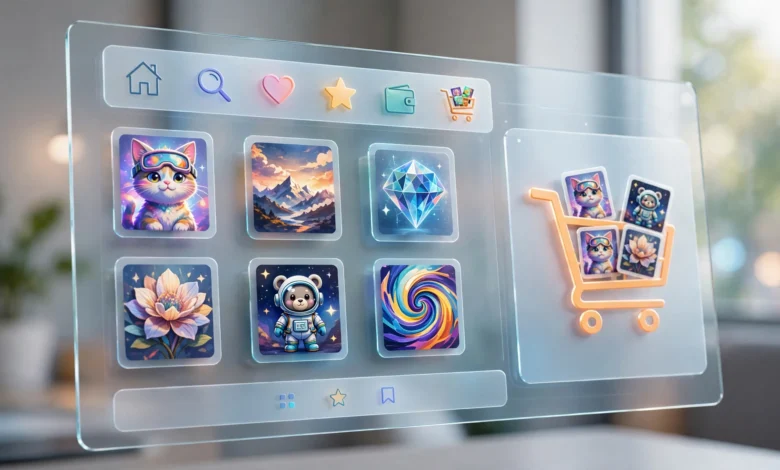
NFT marketplaces can feel intimidating the first time you open one. There are wallets to connect, blockchains to choose from, gas fees that change by the minute, and collections with names that mean nothing to you yet. Add a steady stream of scam links and fake collections, and it is easy to see why many beginners give up before they buy anything.
The good news is that the market is calmer and more mature than it was during the 2021 frenzy. Several platforms that chased hype have shut down, while the ones that remain have improved their interfaces, added card payments, and built better tools to spot fakes. For people in the US and the UK, the legal and tax picture is also clearer than it used to be.
This guide walks through eight of the best NFT marketplaces for beginners in 2026. For each one, you will see what it is good at, which blockchains it supports, how fees work, and who it suits best, whether you want to collect digital art, buy into a gaming project, or simply own your first NFT.
You will also find a plain-English explanation of how buying an NFT works, a side-by-side comparison table, a summary of US and UK tax rules, and a practical safety checklist to help you avoid the mistakes that cost new collectors the most money. No technical background is needed.
What Are NFT Marketplaces?
NFT marketplaces are websites and apps where you can buy, sell, and sometimes create non-fungible tokens. An NFT is a unique token on a blockchain that proves ownership of a specific digital item, such as a piece of art, a collectible card, a game item, or a membership pass.
One key point for beginners: most marketplaces never actually hold your NFTs. They display listings and match buyers with sellers, but the token itself sits in your own crypto wallet. That means if a marketplace closes, your NFTs stay in your wallet, although you may need to use a different platform to view or sell them.
How Buying an NFT Works
- Set up a crypto wallet. Popular options include MetaMask for Ethereum-based chains and Phantom for Solana. Some marketplaces also offer simple email-based wallets.
- Add funds. Buy crypto such as ETH or SOL on a regulated exchange and send it to your wallet, or use a marketplace that accepts card payments.
- Connect your wallet to the marketplace.
- Browse and research collections, checking verification badges, sales history, and the creator’s official links.
- Buy or make an offer. Approve the transaction in your wallet and pay any network fee, often called a gas fee.
- View your NFT in your wallet or on your marketplace profile.
Key Terms to Know
- Minting: creating a new NFT on the blockchain, often during a project’s launch
- Floor price: the lowest listed price in a collection
- Gas fee: the network fee paid to process a blockchain transaction
- Creator royalties: a percentage of resale price paid to the original creator, which some marketplaces enforce and others make optional
- Seed phrase: the secret recovery words for your wallet, which you must never share
The NFT Market in 2026: What Beginners Should Know
The NFT world looks very different from the 2021 boom. Trading volumes have fallen sharply, and many well-known platforms have closed. Foundation, one of the best-known art marketplaces, shut down in April 2026 after a planned sale fell through, and Nifty Gateway, MakersPlace, and X2Y2 have also ceased operations. One recent analysis found that only 21 of 56 early NFT marketplaces were still trading by late 2026.
For beginners, this actually makes choosing simpler:
- OpenSea dominates general NFT trading and supports many blockchains.
- The blockchain often decides the marketplace. Solana NFTs trade mainly on Magic Eden and Tensor, while Tezos art lives on objkt.com.
- Niche platforms survive by specializing in fine art, sports, or physical collectibles.
- Many older guides are out of date. If a list recommends Foundation, Nifty Gateway, or Magic Eden for Bitcoin Ordinals, it was written before these changes.
One more change to note: Blur, a trading-focused marketplace that once rivaled OpenSea, has announced that its website will close on November 12, 2026. Beginners should avoid starting there.

8 Best NFT Marketplaces for Beginners in the US and UK
The platforms below are all still operating as of late 2026 and are usable by people in the US and UK, though features and payment options can vary by country. They are ordered by how friendly they are for first-time buyers. Fees and features change often, so always check the platform’s own help pages before you trade.
1. OpenSea: Best Overall NFT Marketplace for Beginners
OpenSea is the oldest and largest general NFT marketplace, and for most beginners it is the natural starting point. After relaunching as OS2, it now supports more than 20 blockchains, including Ethereum, Solana, Base, Polygon, and Arbitrum, and it also lets users swap fungible tokens. A recent review put its marketplace fee at 1% and its share of the NFT market at about half in late 2025, with some estimates higher since rivals closed.
In the US, OpenSea also faces less regulatory uncertainty than it once did, after the SEC closed its investigation into the company in 2025.
Why beginners like it:
- The widest choice of collections across many chains
- Verification badges and suspicious-item warnings
- Familiar, easy-to-search interface
Watch out for: scam collections that copy famous projects. Always check the verified badge and the creator’s official links.
Best for: anyone buying their first NFT, especially on Ethereum or its Layer 2 networks.
2. Magic Eden: Best for Solana NFTs and Gaming
Magic Eden became famous as the leading Solana marketplace and later expanded to other chains. In March 2026, it closed its Bitcoin and EVM marketplaces and now focuses on Solana only. It remains one of the main places to buy Solana collectibles and gaming NFTs.
Solana transactions are fast and usually cost a fraction of a cent, which makes it a forgiving place for beginners to experiment with small purchases.
Why beginners like it:
- Very low network fees on Solana
- Simple interface with a focus on collectibles and games
- Easy setup with Solana wallets like Phantom
Watch out for: a 2% buyer fee, and the fact that Solana NFT volume has dropped sharply, so some collections are hard to resell.
Best for: beginners who want cheap, fast transactions and are interested in Solana projects.
3. Rarible: Best Multi-Chain Option for Creators
Rarible is one of the longest-running NFT marketplaces and continues to operate after its brand was sold to IMPOSSIBLE. It supports Ethereum, Polygon, Base, Solana, and other chains, and it has long focused on creators who want to mint and sell their own work.
Rarible offers tools for creating collections and setting royalties, which makes it a good choice if you want to try making NFTs as well as buying them.
Why beginners like it:
- Simple minting tools for first-time creators
- Multi-chain support
- Royalty options for artists
Watch out for: fees that vary by collection and chain, so check the breakdown at checkout.
Best for: creators and collectors who want one platform across several chains.
4. SuperRare: Best for Curated Digital Art
SuperRare is one of the oldest surviving NFT art platforms and focuses on single-edition, or 1/1, artworks from curated artists. It runs on Ethereum and feels more like an online gallery than a trading floor.
Artists pay a commission on primary sales, and a fixed royalty is paid to the artist on secondary sales, which collectors who care about supporting artists often appreciate.
Why beginners like it:
- High-quality, curated art with less spam
- Clear artist profiles and provenance
- Enforced royalties for creators
Watch out for: higher prices than general marketplaces and Ethereum gas fees.
Best for: beginners who want to collect serious digital art rather than trade.
5. Courtyard: Best for Physical Collectibles
Courtyard links NFTs to real physical items, mainly graded trading cards and other collectibles stored in a secure vault. Each NFT represents ownership of a specific physical item, and owners can typically request to have the item shipped to them.
For beginners who already understand trading cards, this is one of the most intuitive ways into NFTs, because the value is tied to something you can actually hold.
Why beginners like it:
- Ownership linked to real, graded collectibles
- A familiar hobby with an established resale market
- No need to learn about digital art trends
Watch out for: storage, shipping, and redemption terms, which vary by item and country, so check UK delivery options carefully.
Best for: trading card and collectibles fans who want a digital way to buy and sell.
6. NBA Top Shot: Best for Sports Fans
NBA Top Shot, built by Dapper Labs on the Flow blockchain, sells officially licensed basketball highlight clips as digital collectibles. It was designed for mainstream users, so the experience is closer to a regular app than a crypto platform.
It is one of the few long-running NFT products aimed at people with no crypto experience at all, which makes it a gentle way to learn how digital collectibles work.
Why beginners like it:
- Beginner-friendly app experience
- Officially licensed sports content
- Less exposure to complex wallets and gas fees
Watch out for: prices for many moments are far below their 2021 peaks, so buy for enjoyment rather than profit.
Best for: basketball fans who want a simple, low-stress first NFT.
7. objkt.com: Best Low-Cost Art Marketplace
objkt.com is the main marketplace on the Tezos blockchain and a long-standing home for digital art, photography, and generative art. Tezos transactions are very cheap, so artists often sell affordable editions.
For beginners who want to collect art without paying high Ethereum gas fees, objkt is an excellent place to start small and explore a large creative community.
Why beginners like it:
- Very low network fees
- Affordable editions from independent artists
- Strong community of creators
Watch out for: you will need a Tezos wallet, such as Temple or Kukai, and fewer exchanges support buying Tezos directly.
Best for: budget-conscious art collectors and emerging artists.
8. Tensor: Best for Active Solana Traders
Tensor is a Solana marketplace built for more active traders, with advanced tools like collection-wide bids and detailed charts. In early 2026, the Tensor Foundation acquired the marketplace. It charges a taker fee and no maker fee.
Tensor is not the simplest platform for a first purchase, but it is worth knowing about once you are comfortable and want better pricing tools on Solana.
Why beginners like it:
- Low Solana network fees
- Powerful tools for comparing prices
- Strong liquidity on popular Solana collections
Watch out for: a busier interface that can overwhelm first-timers.
Best for: beginners ready to move from casual collecting to more active trading on Solana.
NFT Marketplaces Compared at a Glance
| Marketplace | Main Blockchains | Best For | Beginner Friendliness |
|---|---|---|---|
| OpenSea | Ethereum, Solana, Base, Polygon, and more | First NFT, widest choice | High |
| Magic Eden | Solana | Cheap Solana collectibles and games | High |
| Rarible | Ethereum, Polygon, Base, Solana, and more | Creators and multi-chain collectors | Medium |
| SuperRare | Ethereum | Curated 1/1 digital art | Medium |
| Courtyard | Polygon | Physical trading cards and collectibles | High |
| NBA Top Shot | Flow | Sports fans with no crypto experience | High |
| objkt.com | Tezos | Affordable art editions | Medium |
| Tensor | Solana | More active traders | Low to medium |
Understanding NFT Marketplace Fees
The price on a listing is rarely the full cost. When you buy on NFT marketplaces, you may pay several fees:
- Marketplace fee: a percentage taken by the platform, usually between 0% and a few percent
- Creator royalty: a percentage paid to the original creator on resales, which may be enforced or optional
- Gas fee: the network fee for processing the transaction, which is high on Ethereum mainnet at busy times and tiny on Solana, Tezos, or Layer 2 networks
- Payment fees: card or bank transfer fees if you buy crypto or pay by card
- Exchange spread: the difference between buying and selling prices when converting crypto
Tip: beginners can keep costs down by starting on low-fee chains like Solana, Base, Polygon, or Tezos before spending more on Ethereum.
Buying NFTs in the US and UK: Rules and Taxes
Tax rules apply whether you collect for fun or trade for profit. This is general information, not tax advice, so speak with a qualified adviser about your own situation.
United States
- The IRS treats NFTs as digital assets, which are taxed as property, not currency.
- Selling or trading an NFT can create a capital gain or loss. Swapping one crypto for another to buy an NFT can also be a taxable event.
- The IRS has said some NFTs may be treated as collectibles, which can face a higher long-term capital gains rate.
- Creators who sell NFTs usually report the income as ordinary or business income.
The IRS digital assets guidance page explains reporting requirements and the digital asset question on federal tax returns.
United Kingdom
- HMRC generally treats NFTs like other cryptoassets for tax purposes.
- Selling, swapping, or gifting an NFT can trigger Capital Gains Tax if your gains exceed the annual exempt amount.
- Using crypto to buy an NFT is usually a disposal of that crypto, which can also create a gain or loss.
- Keep records of what you paid, when you bought, and fees in pounds sterling.
HMRC’s Cryptoassets Manual sets out how it applies tax rules to cryptoassets.
Consumer Protection
In both countries, most NFT purchases are not covered by deposit protection or investment compensation schemes. In the UK, the Financial Conduct Authority regulates certain crypto activities and promotions, but buying an NFT on a marketplace generally gives you little regulatory protection. Treat any purchase as high risk.
Safety Tips for Using NFT Marketplaces
Scams are the biggest danger for new collectors. Follow these rules every time.
Protect Your Wallet
- Never share your seed phrase with anyone, including people claiming to be support staff.
- Use a separate wallet for NFT activity, and keep most of your crypto in a hardware wallet.
- Revoke old token approvals you no longer need.
Avoid Fake Collections and Links
- Check for the verified badge and compare contract addresses with the project’s official website.
- Only use links from official accounts, and type marketplace URLs yourself.
- Be suspicious of surprise NFTs or tokens that appear in your wallet, since many are scams designed to lure you to fake sites.
- Ignore direct messages promising free mints, airdrops, or urgent support.
Buy Smart
- Research sales history and the creator before buying.
- Start with small purchases on low-fee chains.
- Buy what you enjoy, since resale is never guaranteed and many collections have very little trading activity.
- Read the license to understand what rights you actually get with the NFT.
FAQs About NFT Marketplaces
Which NFT marketplace is best for beginners?
For most beginners, OpenSea is the easiest starting point because it supports many blockchains and has the widest selection. If you want cheaper transactions, Magic Eden on Solana is a good alternative. Sports fans may find NBA Top Shot even simpler.
Are NFT marketplaces safe to use?
The major NFT marketplaces are generally safe platforms, but scams around them are common. Fake collections, phishing links, and wallet-draining websites cause most losses. Protect your seed phrase, verify collections, and only use official links.
Can I buy NFTs with a credit card in the US or UK?
Often, yes. Some marketplaces and wallets let you buy crypto or NFTs with a card through payment partners, though availability and fees differ by country. Otherwise, you can buy crypto on a regulated exchange and transfer it to your wallet.
What happens to my NFTs if a marketplace shuts down?
Your NFTs stay in your wallet because NFT marketplaces usually do not hold them. When Foundation closed in 2026, users kept ownership of their NFTs and could still view or trade them on other platforms that support the same blockchain.
Do I have to pay tax on NFTs in the US or UK?
Usually, yes, when you sell, swap, or otherwise dispose of an NFT at a gain. In the US, the IRS treats NFTs as digital assets. In the UK, HMRC generally applies Capital Gains Tax rules. Keep good records and get professional advice if needed.
Are NFTs a good investment in 2026?
NFTs are highly speculative. Trading volumes have fallen sharply since 2021, many platforms have closed, and most collections are hard to resell. Buy NFTs because you value the art, collectible, or community, and only spend money you can afford to lose.
Conclusion
NFT marketplaces have changed a lot since the 2021 boom, and for beginners in the US and UK that shakeout makes the choice clearer: OpenSea is the best all-round starting point, Magic Eden and Tensor cover Solana, Rarible suits creators who want multi-chain tools, SuperRare and objkt.com serve art collectors at very different price points, and Courtyard and NBA Top Shot offer simple, familiar ways in through trading cards and sports. With Foundation, Nifty Gateway, and others now closed and Blur’s website shutting down, it pays to use up-to-date information, understand the full cost of fees and gas, keep records for the IRS or HMRC, and treat wallet security as your top priority, so your first NFT is a purchase you enjoy rather than one you regret.