DeFi Scams and Rug Pulls: 12 Proven Ways to Protect Your Crypto in 2026
DeFi scams and rug pulls cost users billions each year. Spot the red flags, check tokens and contracts, and protect your wallet with 12 proven steps.
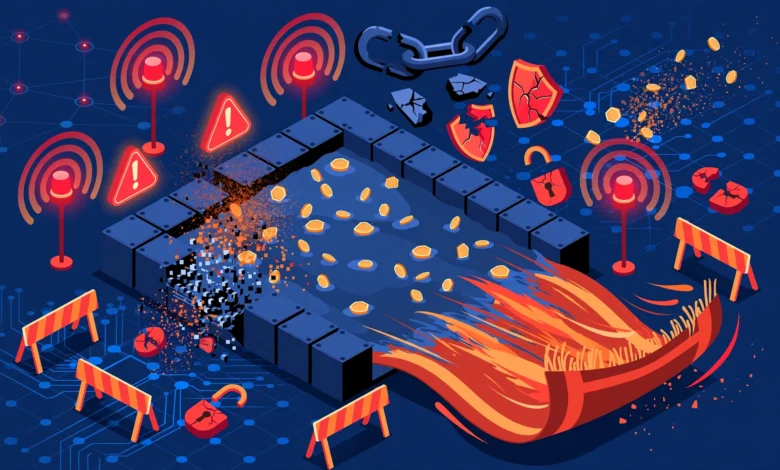
DeFi scams are one of the biggest threats facing anyone who uses crypto today. Decentralized finance gives you full control of your money, with no bank, no account manager, and no chargeback button. That freedom is exactly what scammers exploit. Once you sign a bad transaction or send funds to the wrong address, there’s usually no way to get them back.
The numbers are sobering. Blockchain analytics firm Chainalysis estimated that crypto scams took in at least $14 billion in 2025, a record, and said the final figure could pass $17 billion as more wallets are identified. Impersonation scams alone jumped by around 1,400%, helped by AI tools that make fake messages, voices, and videos far more convincing.
Rug pulls are a big part of the picture. A team launches a token or DeFi project, builds hype, attracts deposits, then drains the liquidity or dumps their holdings and disappears. Other common tricks include wallet drainers, fake airdrops, phishing sites, and address poisoning.
The good news is that most of these scams follow recognizable patterns. This guide explains how to avoid DeFi scams and rug pulls, the most common scam types, the red flags to watch for, and 12 practical steps to keep your crypto safe. We’ll also cover useful tools and what to do if you’ve already been targeted.
What Are DeFi Scams?
DeFi scams are schemes that trick people into handing over crypto, signing harmful transactions, or investing in fake or rigged projects within decentralized finance. Some rely on bad code hidden inside smart contracts. Others rely purely on social engineering, convincing you to do something that hands control of your funds to an attacker.
Unlike a bank fraud, there’s no central authority that can freeze or reverse a crypto transaction. That makes prevention far more important than recovery.
What Is a Rug Pull?
A rug pull happens when the people behind a crypto project suddenly abandon it and take investors’ money with them. The name comes from the idea of pulling the rug out from under someone.
Rug pulls usually come in three forms:
- Liquidity pulls: developers remove the funds backing a token’s trading pool on a decentralized exchange, leaving holders with tokens they can’t sell for anything meaningful.
- Dumping (soft rug): insiders who hold a large share of tokens sell them all at once after hype drives the price up, crashing the value.
- Limited sell orders (honeypots): the token’s code lets people buy but blocks or heavily taxes selling, so only the creators can cash out.
Some rug pulls are planned from day one. Others start as real projects that turn into exit scams when the team loses interest or sees a chance to cash out.


Hard Rugs vs. Soft Rugs
It helps to know the difference:
- Hard rug pulls involve malicious code or direct theft, like draining a liquidity pool or hiding a backdoor in a contract.
- Soft rug pulls are slower. The team stops building, sells their tokens over time, or quietly walks away. These are harder to prove as fraud but leave investors just as badly off.
How Big Is the DeFi Scam Problem?
Crypto scams are growing fast in both scale and sophistication. Chainalysis’s 2026 Crypto Crime Report found that scam revenue hit a record of at least $14 billion in 2025, while separate hacks and thefts took about $3.4 billion. The single largest theft was the roughly $1.5 billion attack on the Bybit exchange, linked to North Korean hackers.
A few trends stand out:
- Impersonation scams surged by around 1,400%, with criminals posing as exchanges, support agents, or trusted figures.
- AI-powered scams earned several times more than traditional schemes, thanks to deepfake videos, cloned voices, and convincing fake messages.
- Personal wallet attacks made up a growing share of stolen funds as attackers shifted focus from platforms to individuals.
- Memecoin rug pulls remain common, especially on fast, cheap chains where launching a token takes minutes.
The U.S. Federal Trade Commission’s guide to cryptocurrency scams is a useful official resource that explains many of these tactics in plain language.
Most Common Types of DeFi Scams
Knowing how DeFi scams work is the first step to avoiding them. These are the types you’re most likely to run into.
1. Rug Pulls and Exit Scams
As covered above, rug pulls involve a project team draining liquidity, dumping tokens, or vanishing with deposits. They’re especially common with new memecoins and small DeFi protocols that launch with anonymous teams and huge promised returns. High-profile examples include the 2021 Squid Game token, which surged on hype before its creators cashed out, and several celebrity-linked memecoins whose insiders sold large holdings soon after launch.
2. Honeypot Tokens
A honeypot token looks like a normal coin, and you can buy it, but hidden code stops you from selling. The price chart may look great because only buys are going through. By the time people realize, the creators have cashed out.
3. Phishing Sites and Fake dApps
Scammers copy the look of popular DeFi apps, wallets, or exchanges and spread links through search ads, social media, or direct messages. When you connect your wallet and approve a transaction, you’re actually handing over access to your funds. Crypto phishing remains one of the most effective attacks because the fake sites can be nearly identical to the real ones.
4. Wallet Drainers and Malicious Approvals
Wallet drainers are scripts built into fake sites that trick you into signing a token approval or a gasless signature. Once signed, the attacker can move your tokens or NFTs whenever they like. Many people don’t realize that a single “approve” or “sign” click can be just as dangerous as sending funds directly.
5. Fake Airdrops and Giveaways
You get a message saying you’re eligible for free tokens, or a random token shows up in your wallet with a link to “claim” more. The claim site is a drainer. Similarly, giveaways promising to double any crypto you send are always scams.
6. Address Poisoning
In address poisoning, scammers send you a tiny or zero-value transaction from an address that looks almost identical to one you’ve used before. They hope you’ll copy the wrong address from your transaction history next time you send funds. Several victims have lost millions this way.
7. Impersonation and Fake Support
Scammers pose as exchange support staff, wallet teams, project founders, or even government agencies. They may contact you after you post a question online. Real support teams will never ask for your seed phrase or ask you to move funds to a “safe” wallet.
8. Pig Butchering and Romance Scams
In pig butchering scams, a scammer builds trust over weeks or months, often through a dating app or a friendly wrong-number text. They eventually introduce a “great investment opportunity” on a fake trading platform that shows big gains. When you try to withdraw, new fees appear, and the money is gone.
9. Ponzi Schemes and Unsustainable Yields
Some DeFi projects promise fixed high returns, such as 1% a day, paid out of new investors’ deposits rather than real revenue. These collapse once new money slows down. If a yield sounds too good to explain, it usually is.
10. Pump-and-Dump Groups
Coordinated groups on Telegram or social media hype a small token, encourage followers to buy, and then sell into the rush. Latecomers are left holding the bag.
11. Malicious Smart Contracts and Fake Audits
Some projects hide functions in their code that let the owner mint unlimited tokens, freeze transfers, or change fees at will. Others display fake audit badges or cite audits from firms that never reviewed the code.
Red Flags of a DeFi Scam or Rug Pull
Most scams share warning signs. Watch for these rug pull red flags before investing or connecting your wallet:
- Anonymous team with no track record or verifiable history
- Guaranteed or unrealistically high returns, especially fixed daily yields
- Pressure to act fast, like countdown timers, “last chance” messages, or limited spots
- Unlocked liquidity or liquidity that can be removed at any time
- Concentrated token supply, where a few wallets hold most of the tokens
- No audit, or an audit you can’t verify on the auditor’s own website
- Owner privileges in the contract that allow minting, pausing, or blacklisting
- High or changeable buy and sell taxes
- Unverified smart contract code on the block explorer
- Copy-paste websites and whitepapers full of buzzwords and vague plans
- Unsolicited DMs offering help, investments, or airdrops
- Requests for your seed phrase or private key under any circumstances
One red flag doesn’t always mean a scam, but several together should make you walk away.
12 Proven Ways to Avoid DeFi Scams and Rug Pulls
You can’t eliminate every risk, but these habits will protect you from the vast majority of DeFi scams.
1. Never Share Your Seed Phrase
Your seed phrase (recovery phrase) is the master key to your wallet. No legitimate exchange, wallet, support agent, or project will ever ask for it. Don’t type it into websites, store it in screenshots, or save it in cloud notes. Write it down and keep it offline in a secure place.
2. Use a Hardware Wallet for Serious Funds
A hardware wallet keeps your private keys offline and requires a physical button press to approve transactions. It won’t stop you from signing a bad transaction, but it blocks most remote malware attacks and adds a moment to double-check.
3. Separate Your Wallets
Keep a “vault” wallet for long-term holdings that rarely interacts with apps, and a separate “hot” wallet with small balances for trying new dApps, minting, or trading memecoins. If the hot wallet gets drained, your main savings stay safe.
4. Bookmark Official Sites
Many phishing attacks start with a search ad or a fake link. Bookmark the real URLs of the apps you use and only access them through those bookmarks. Double-check spelling in the address bar, since scammers use look-alike domains.
5. Read Every Transaction Before Signing
Before you click approve, check what the transaction actually does. Be extra cautious with:
- Unlimited token approvals
- “SetApprovalForAll” requests for NFTs
- Permit or gasless signatures you don’t understand
Many wallets now show warnings and transaction previews. Use a wallet with built-in simulation, and stop if anything looks unexpected.
6. Revoke Unused Token Approvals
Old approvals can be exploited if a contract is later compromised. Use a tool like Revoke.cash to review and cancel approvals you no longer need. Doing this every month or two is a simple, effective habit.
7. Research the Team and Project
Before investing, find out who’s behind the project. Look for:
- Public team members with real, verifiable histories
- An active GitHub with ongoing development
- A clear explanation of how the protocol makes money
- Honest, consistent communication in community channels
Anonymous teams aren’t always scams, but they raise the stakes, so size your position accordingly.
8. Check the Smart Contract and Audits
Look up the contract on a block explorer like Etherscan and confirm the code is verified. Check whether the owner can mint tokens, pause trading, or change taxes. For audits, go to the auditor’s own website and confirm the report exists, rather than trusting a badge on the project’s site.
9. Verify Liquidity Locks and Token Distribution
For new tokens, check whether liquidity is locked and for how long, and how tokens are spread across wallets. If developers can pull liquidity at any time or a handful of wallets hold most of the supply, the rug pull risk is high.
10. Use Token and Contract Scanners
Tools such as DEXTools, DexScreener, Token Sniffer, GoPlus, and De.Fi’s scanner can flag honeypots, hidden taxes, and risky contract permissions. They aren’t perfect, but they catch many obvious traps in seconds.
11. Ignore Unsolicited Messages and Too-Good-to-Be-True Offers
Turn off DMs from strangers where you can. Treat any unexpected message about airdrops, investment opportunities, account problems, or support as suspicious. Guaranteed high returns, pressure to act quickly, and requests to move funds are all signs of crypto fraud.
12. Double-Check Every Address
To avoid address poisoning, never copy addresses from your transaction history. Use your wallet’s saved address book, check the first and last several characters, and send a small test transaction before moving large amounts.
Useful Tools for Staying Safe in DeFi
A few free tools make DeFi security much easier:
| Tool type | Examples | What it helps with |
|---|---|---|
| Approval managers | Revoke.cash | Viewing and revoking token approvals |
| Token scanners | Token Sniffer, GoPlus, De.Fi Scanner | Spotting honeypots, taxes, risky permissions |
| Chart and liquidity tools | DEXTools, DexScreener | Checking liquidity, holders, and trading activity |
| Block explorers | Etherscan, Solscan, BscScan | Verifying contracts and transactions |
| Wallets with simulation | Rabby, wallets with built-in previews | Showing what a transaction will do before signing |
| Protocol data | DefiLlama | Checking TVL, history, and audits of established protocols |
What to Do If You’ve Been Scammed
If you think you’ve fallen for a scam, act quickly:
- Stop interacting with the scammer or the site.
- Move remaining funds to a new, secure wallet with a fresh seed phrase if your wallet may be compromised.
- Revoke approvals on the affected wallet right away.
- Record everything, including transaction hashes, wallet addresses, website links, and screenshots of messages.
- Report it to the exchange or platform involved, especially if funds moved through a centralized exchange that may be able to freeze them.
- File a report with authorities. In the U.S., use the FBI’s Internet Crime Complaint Center (IC3); in other countries, contact your national cybercrime unit or police.
- Beware of recovery scams. Anyone promising to recover your crypto for an upfront fee is almost certainly another scammer.
Recovery is rare, but quick reporting sometimes helps investigators trace and freeze stolen funds.
Frequently Asked Questions About DeFi Scams
What are the most common DeFi scams?
The most common DeFi scams are rug pulls, honeypot tokens, phishing sites, wallet drainers, fake airdrops, address poisoning, impersonation of support staff, and pig butchering investment schemes.
How can I tell if a token is a rug pull?
Check whether liquidity is locked, how concentrated token ownership is, whether the contract is verified, and whether the owner can mint tokens or block sales. Token scanners can help, and an anonymous team promising huge returns is a major warning sign.
Can I get my crypto back after a DeFi scam?
Recovery is rare because blockchain transactions are final. Reporting quickly to exchanges and law enforcement can sometimes help freeze funds that pass through centralized platforms. Avoid anyone charging upfront fees to “recover” your crypto, since those are usually scams too.
Are audited DeFi projects safe from scams?
Audits reduce risk but don’t guarantee safety. Some projects fake audits, and audited code can still have bugs or allow insiders to misuse funds. Always verify the audit on the auditor’s own site and read its findings.
How do I protect my wallet from DeFi scams?
The best protection against DeFi scams is never sharing your seed phrase, using a hardware wallet, keeping separate wallets for risky activity, bookmarking official sites, reading transactions before signing, and regularly revoking unused approvals.
Why are DeFi scams increasing?
DeFi scams are increasing because launching tokens is cheap and fast, transactions can’t be reversed, and AI tools make fake messages, websites, and videos far more convincing. More people using crypto also means more potential targets.
Conclusion
DeFi scams and rug pulls thrive on speed, hype, and the fact that crypto transactions can’t be reversed, with scam revenue reaching record levels in 2025 as criminals adopted AI, impersonation, and wallet-draining tools. Most attacks still follow familiar patterns, though: anonymous teams promising unrealistic returns, unlocked liquidity, hidden contract permissions, fake airdrops, phishing links, and pressure to act fast. Protecting yourself comes down to consistent habits, including guarding your seed phrase, using a hardware wallet and separate hot wallets, bookmarking official sites, reading every transaction before you sign, revoking old approvals, researching teams and contracts, using token scanners, and double-checking addresses. If something does go wrong, act quickly, secure what’s left, and report it, because in DeFi, staying skeptical is the most reliable security tool you have.