NFT Utility Tokens Explained: 7 Powerful Benefits That Make Them Matter in 2026
NFT utility tokens give holders real access, rewards, and rights. Here is how they work, where they are used, and why they matter for Web3 in 2026.
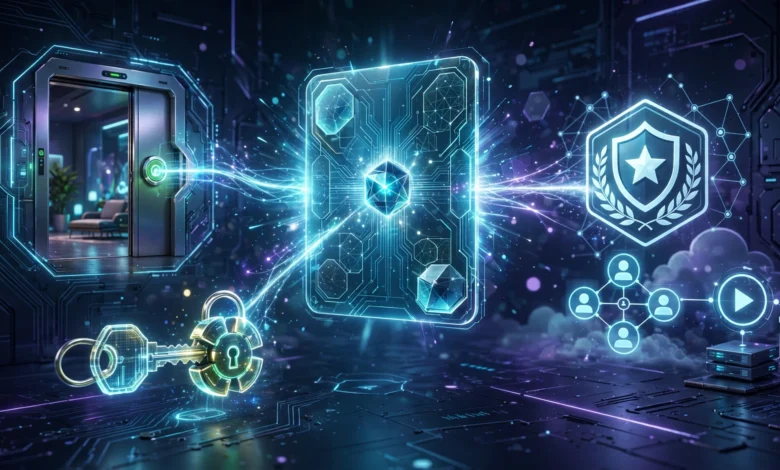
NFT utility tokens are what the NFT space looks like after the hype. Back in 2021, most people bought NFTs because of a picture, a community, and a hope that the floor price would keep climbing. Many of those projects are gone now. The ones that stuck around usually had something in common: owning the token actually let you do something.
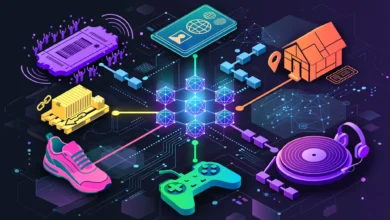
That “something” is utility. It might be entry to a concert, a discount at a store, a sword you can use in a game, a vote in a community decision, or proof that a luxury watch is real. In each case the token works less like a collectible and more like a key.
This shift is easy to see in 2026. Ticketing platforms, game studios, loyalty programs, and even universities now use NFTs as plain infrastructure, often without calling them NFTs at all. At the same time, the term NFT utility tokens gets used loosely, sometimes for NFTs with perks and sometimes for the fungible coins that power NFT ecosystems. That confusion makes it harder to judge which projects are worth your time.
This guide clears that up. You will learn what utility NFTs are, how they work under the hood, the main types you will run into, and the real benefits they offer to users, creators, and brands. We will also look at the risks, the failures worth learning from, and a simple checklist for telling real NFT utility apart from marketing.
What Are NFT Utility Tokens?
NFT utility tokens are non-fungible tokens that give the holder a real benefit beyond owning a digital image. The NFT acts as a verifiable pass, membership card, ticket, license, or in-game item. If you hold it in your wallet, an app or business can check that and unlock something for you.
A regular NFT proves you own a unique token. A utility NFT proves you own it and then puts that ownership to work.
NFT Utility Tokens vs. Fungible Utility Tokens
The phrase NFT utility tokens can mean two different things, and it helps to separate them early.
- Utility NFTs. Unique tokens, usually built on the ERC-721 or ERC-1155 standards, where each token carries its own perks. A concert ticket NFT or a membership pass falls here. This is the most common meaning and the main focus of this article.
- Ecosystem utility tokens. Fungible coins tied to an NFT project, used for payments, governance, staking, or in-game spending. ApeCoin, which grew out of the Bored Ape Yacht Club world, is a well-known example.
Many NFT projects use both. A game might issue character NFTs that players own and a separate fungible token used to buy upgrades. When people talk about NFT utility tokens, they are often describing this combined setup.
How NFT Utility Tokens Work
Under the hood, the process is simpler than it sounds.
- Minting. A creator or brand deploys a smart contract and mints tokens. The ERC-721 standard covers one-of-a-kind tokens, while ERC-1155 lets one contract handle many token types, which is handy for tickets and game items.
- Attaching utility. The perks are defined either in the smart contract itself (for example, a token that can be burned to claim a reward) or off-chain by the brand, which promises a benefit to anyone holding the token.
- Verification. When you want to use the benefit, you connect your wallet. The app checks the blockchain to confirm you hold the right token. This is called token gating.
- Redemption or ongoing access. Some benefits are one-time, like a ticket that gets marked as used. Others last as long as you hold the token, like a membership.
- Transfer or resale. Because the token lives in your wallet, you can usually sell or gift it, and the utility moves with it. Many projects also set royalties so creators earn from resales.
On-Chain vs. Off-Chain Utility
This distinction matters more than most buyers realize.
- On-chain utility is written into code. It works as long as the blockchain does, even if the company behind it disappears.
- Off-chain utility depends on a company keeping its promise. Event access, merch drops, and store discounts usually fall here.
Neither is bad, but off-chain perks are only as reliable as the team offering them. The strongest NFT utility tokens combine some on-chain guarantees with a business that has a clear reason to keep delivering.
Types of NFT Utility Tokens and Real-World Use Cases
NFT utility tokens show up in more places than most people expect. Here are the main categories, with examples of how each one works in practice.
1. Access and Membership Passes
This is the classic form of NFT utility. Holding the token gets you into something: a private Discord, a members-only event, early product drops, or a paid newsletter. Because ownership is public on the blockchain, the community can verify members without a central sign-up list.
The appeal for holders is that the membership is transferable. If you no longer want it, you can sell it instead of just cancelling.
2. NFT Ticketing
NFT tickets solve some old problems in live events. Each ticket is unique and traceable, which makes fakes much harder to sell. Organizers can set resale rules, cap prices, and earn a share of secondary sales. After the event, the ticket can stay in your wallet as a digital keepsake, and some organizers reward past attendees with perks at future shows.
3. Gaming Assets
In blockchain games, characters, skins, weapons, and land are often gaming NFTs. Players actually own these items rather than renting them from a game company. In the better-designed games, those items can be traded, upgraded, or used across related titles.
Gaming is one of the strongest drivers of demand for NFT utility tokens, because the utility is obvious: you play with the item.
4. Loyalty and Rewards Programs
Brands use loyalty NFTs to reward repeat customers with discounts, exclusive products, or experiences. Unlike traditional points, the rewards can be traded or displayed, and they can stack across partner brands.
This category also offers one of the clearest lessons. Starbucks ran an NFT-based loyalty program called Odyssey and shut it down in 2024. The idea had promise, but the costs and the customer experience did not justify continuing. Good NFT utility has to beat the simpler option, not just copy it with a blockchain attached.
5. Governance Rights
Some NFT utility tokens give holders a vote. DAOs use them to decide how a treasury is spent, which projects get funded, or how rules change. One token might equal one vote, or voting power might depend on how many tokens you hold.
6. Phygital and Authenticity Certificates
Luxury brands, sneaker companies, and art dealers pair physical products with NFTs that act as digital certificates of authenticity. The token records provenance, so a buyer on the resale market can confirm the item is genuine and see its ownership history.
7. Licensing and Intellectual Property Rights
Some projects grant holders commercial rights to the artwork tied to their NFT. Others use tokens to license music, photos, or written work. This turns the NFT into a contract-like tool, though the legal strength depends heavily on how the license is written.
8. Credentials and Digital Identity
Universities, training platforms, and event organizers are issuing certificates and badges as tokens. Many of these are soulbound tokens, which cannot be transferred. They make it easy to prove a qualification without contacting the issuer each time.
9. Real-World Asset Ownership
NFTs can also represent claims on physical assets like property, luxury goods, or collectibles held in a vault. In these cases, the token’s value comes almost entirely from the legal agreement behind it, which is why careful structure matters.
Why NFT Utility Tokens Matter: 7 Powerful Benefits
The early NFT market rewarded hype. The current one rewards usefulness. Industry commentary through 2026 keeps pointing to the same pattern: projects tied to tickets, games, memberships, and real assets have held up, while collections with nothing behind them have faded. Here is why NFT utility tokens have become the part of the market that lasts.
1. Verifiable Ownership Without a Middleman
With NFT utility tokens, your proof of ownership lives on a public blockchain, not in a company database. As ethereum.org’s guide to NFTs explains, this means anyone can check who owns a token, and only the owner can transfer it. For holders, that is real control. For businesses, it is a way to verify customers instantly.
2. Value You Can Actually Use
A picture can lose interest overnight. A ticket, a game item, or a membership has a job to do. When a token is used regularly, demand comes from people who need it, not just traders hoping for a price jump. That gives utility NFTs a steadier base than pure collectibles.
3. Transferable and Resellable Perks
Traditional memberships and tickets are often locked to your account. NFT utility tokens can usually be sold, gifted, or lent. If plans change, you are not stuck with something you cannot use, and the perk itself keeps its value.
4. New Revenue for Creators and Brands
Creators can earn from the first sale and, when marketplaces honor them, from NFT royalties on resales. Brands get a direct channel to their most loyal customers without relying on social media algorithms. For small creators especially, this can mean a more stable income than one-off sales.
5. Stronger, More Engaged Communities
When holding a token unlocks votes, events, or early access, holders tend to stay involved. Token-gated communities give people a reason to show up and a shared stake in how the project develops.
6. Less Fraud and Better Transparency
NFT ticketing and authenticity certificates make counterfeits harder. Every transfer is recorded, so it is easier to spot a fake ticket or confirm a luxury product’s history. This is one of the most practical benefits of NFT utility tokens for everyday buyers.
7. Interoperability Across Platforms
Because NFTs follow open standards, one token can be recognized by many apps. A membership NFT from one brand can unlock perks with a partner. A game item could, in principle, work in more than one game. This kind of Web3 interoperability is still early, but it is something closed systems cannot easily offer.
Who Benefits Most?
- Users and fans get portable perks, real ownership, and resale options.
- Creators and artists get direct income and closer contact with supporters.
- Brands and businesses get loyalty tools, fraud protection, and first-party customer insight.
- Game developers get player-owned economies that can keep a game alive longer.
- Communities and DAOs get a clear, verifiable way to decide who can vote.
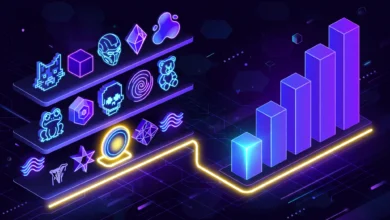
Utility NFTs vs. Collectible NFTs at a Glance
| Feature | Collectible NFTs | NFT utility tokens |
|---|---|---|
| Main source of value | Art, rarity, status | Access, rights, function |
| What drives demand | Hype and trading | Regular use |
| Typical holder | Collector or trader | Fan, player, member, customer |
| Price behavior | Highly volatile | Often steadier when the utility is active |
| Biggest risk | Interest fades | The issuer stops delivering |
Risks and Challenges of NFT Utility Tokens
NFT utility tokens solve real problems, but they also bring their own risks. Knowing them helps you avoid the projects that promise more than they can deliver.
- Broken promises. Off-chain perks depend on the issuer. If the company closes or changes direction, the utility can disappear. Nike’s RTFKT studio, for example, wound down its NFT operations in early 2025, leaving many holders unsure what their tokens were still worth.
- “Utility” as a marketing word. Some projects list vague future benefits to sell a mint. A roadmap is not utility. Look for perks that already work.
- Thin liquidity. Many tokens rarely trade, so selling at a fair price can be hard.
- Smart contract bugs. Flaws in the code can lead to stolen or frozen tokens.
- Scams and phishing. Fake mint sites and malicious wallet approvals remain common.
- Regulatory uncertainty. If a token’s benefits look like profit-sharing, regulators may treat it as a security. Rules differ by country and keep changing.
- User experience. Wallets, gas fees, and seed phrases still confuse many people, which is why some brands now hide the blockchain part entirely.
How to Evaluate NFT Utility Tokens Before You Buy
A few plain questions will tell you more than any hype thread.
- Does the utility work today? Can you use the perk right now, or is it just planned?
- Is it on-chain or off-chain? If it depends on a company, how established is that company?
- Why would the issuer keep delivering? The best projects have a business reason to keep the perks going, such as ticket sales or customer retention.
- Who is the team? Public, experienced teams with a track record are a safer bet than anonymous founders.
- What rights do you actually get? Read the terms, especially for licensing and real-world asset claims.
- Is the contract audited? Check for a security audit and a verified contract on a block explorer.
- Is there real demand? Look at how many people use the utility, not just how many trade the token.
The Future of NFT Utility Tokens
The direction is fairly clear. NFTs are becoming background infrastructure, and many users will hold NFT utility tokens without ever hearing the word “NFT.” A few trends are worth watching:
- Invisible wallets. Apps that create wallets behind the scenes, so buying a token feels like a normal checkout.
- Dynamic NFTs. Tokens that change based on activity, like a loyalty badge that levels up with each visit.
- Tokenized real-world assets. More property, luxury goods, and financial products represented as tokens with legal backing.
- Credentials at scale. Degrees, licenses, and work history issued as soulbound tokens that are easy to verify.
- Clearer regulation. Frameworks such as the EU’s MiCA rules and ongoing U.S. policy work should make it easier to know which tokens are consumer products and which are securities.
The projects that win will be the ones where the token is the easiest way to deliver a benefit, not the ones that bolt a token onto something that already worked fine.
Frequently Asked Questions
What are NFT utility tokens in simple terms?
They are NFTs that let you do something, such as enter an event, access a community, use an item in a game, or vote. The token works like a digital key you own.
Are NFT utility tokens a good investment?
They can hold value better than pure collectibles when the utility is real and widely used, but they are still risky. Buy them mainly for the benefit they offer, not for expected price gains.
What is the difference between an NFT and a utility token?
An NFT is unique, while a standard utility token is fungible, meaning every unit is the same. Utility NFTs combine uniqueness with a real-world or digital benefit.
Can NFT utility tokens lose their utility?
Yes. If the perk depends on a company and that company stops supporting it, the utility can end. On-chain utility is more durable.
Conclusion
NFT utility tokens are where the NFT idea finally starts to make practical sense. Instead of relying on hype or artwork alone, they turn a token into a key that unlocks something real, whether that is a concert, a game item, a loyalty reward, a vote, a credential, or proof that a physical product is authentic. Built on open standards like ERC-721 and ERC-1155, they give users verifiable ownership and resellable perks, give creators and brands new income and closer communities, and cut down on fraud in areas like ticketing and luxury goods. They also come with real risks, from issuers walking away and vague “utility” promises to thin liquidity, smart contract bugs, and shifting regulation, which is why it pays to check whether a benefit works today, who stands behind it, and what rights you actually hold. As wallets get easier to use and rules become clearer, the most successful NFT utility tokens will likely be the ones people use every day without even thinking of them as NFTs.
SEO Notes
SEO title:
Focus keyword: NFT utility tokens
LSI and secondary keywords used: utility NFTs, NFT utility, token gating, token-gated communities, NFT ticketing, gaming NFTs, loyalty NFTs, NFT royalties, soulbound tokens, digital certificates of authenticity, Web3 interoperability, ERC-721, ERC-1155
10 keywords: