NFT Projects With Real-World Use Cases: 10 Best and Proven Picks for 2026
NFT projects are moving past hype into ticketing, gaming, property, and digital identity. These 10 show how NFTs solve real problems for people today.
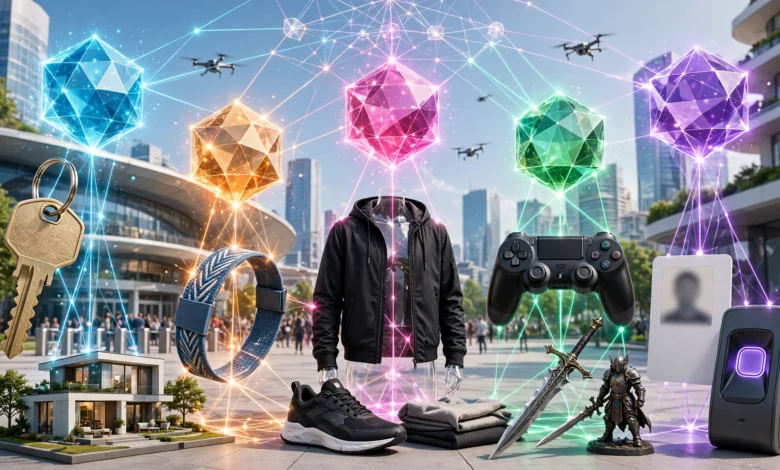
NFT projects got a bad reputation for good reason. For a couple of years, most of them were cartoon images sold at wild prices with vague promises of a roadmap. When the hype faded, so did the floor prices, and a lot of people decided NFTs were nothing more than expensive JPEGs.
That picture is out of date. While profile picture collections cooled off, a different group of NFT projects kept building, and they are now doing useful things in the real world. Collectors trade graded Pokémon cards that sit in insured vaults. Luxury brands attach digital passports to handbags and watches. Event organizers issue tickets that can’t be faked. Toy shelves at Walmart and Target carry characters that started life on Ethereum.
What these NFT projects have in common is simple: the token stands for something people already value outside of crypto. That could be a physical item, a right of entry, a proof of ownership, or a verified identity. The blockchain part is there to make that thing easier to trade, check, or prove.
This article covers ten NFT projects with real-world use cases that are working in 2026. For each one, you will see what problem it solves, how the NFT fits in, and what risks to keep in mind. You will also find a comparison table, a checklist for judging utility NFTs yourself, and answers to the questions people ask most.
What Makes NFT Projects Useful in the Real World?
Useful NFT projects tie a token to something that matters off-chain. The NFT works like a digital receipt, key, or certificate. You can hold it, transfer it, and prove you own it without asking a middleman.
NFTs Beyond Digital Art
A non-fungible token is just a unique record on a blockchain. Nothing about that requires it to be art. The same technology that proved ownership of a pixel image can prove ownership of a trading card in a vault, a seat at a concert, or a name in a digital address book. Once people saw that, NFT projects started moving into areas where ownership and authenticity are expensive problems.
The Main Real-World Use Cases for NFTs
Most practical NFT projects fall into a handful of categories:
- Tokenized collectibles: Physical cards, sneakers, or watches stored in a vault, with an NFT representing each item. You trade the NFT and can redeem the real thing.
- Brand and licensing: NFT characters that become toys, games, and merchandise, sometimes sharing revenue with holders.
- Digital identity: Blockchain names and credentials that act as a username, wallet address, or proof of reputation.
- Event ticketing: Tickets as NFTs that are hard to counterfeit and let organizers set resale rules.
- Proof of attendance and credentials: Badges that show you attended an event, finished a course, or belong to a group.
- Product authentication: Digital passports for luxury goods that record origin, materials, and ownership history.
- Real estate records: Property deeds or title records tied to NFTs to speed up transfers.
- Infrastructure ownership: NFTs that represent physical network hardware, such as wireless hotspots.
- Gaming assets: In-game items players actually own and can sell.
Why Utility Matters More Than Hype
NFT projects built only on hype depend on new buyers paying higher prices. NFT projects built on utility have a reason to exist even when the market is quiet. A ticket still gets you into the show. A vaulted card is still a card. That difference is why the NFT market in 2025 and 2026 has shifted toward practical uses while speculative collections struggled.
How We Chose These NFT Projects
We picked NFT projects that solve a problem people would pay to fix even if blockchain didn’t exist. Each of the NFT projects below had to pass a few tests:


- Clear real-world link: The NFT has to represent something with value outside crypto, like a physical item, access, or identity.
- Active use in 2025 and 2026: We left out NFT projects that shut down or went quiet, including some famous brand experiments that ended in 2024.
- Real adoption: Measurable activity such as trading volume, tickets issued, names registered, or products sold.
- Simple user experience: The best NFT projects let regular people use them without understanding wallets and gas in depth.
- Transparency: Public contracts, clear redemption rules, and visible on-chain records.
This list is for education, not investment advice. Some of these NFT projects have tokens, and token prices can be volatile even when the underlying product works well.
Top 10 NFT Projects With Real-World Use Cases in 2026
These ten NFT projects cover collectibles, consumer brands, identity, ticketing, luxury goods, real estate, infrastructure, and gaming. Together these NFT projects show how far the technology has moved from simple digital art.
1. Courtyard: Tokenized Trading Cards and Collectibles
Courtyard takes graded physical collectibles, mostly trading cards like Pokémon, stores them in an insured vault, and mints an NFT for each item on Polygon. You can buy and sell the NFT instantly, and when you want the real card, you redeem it and Courtyard ships it to you.
This model has made Courtyard one of the fastest-growing NFT projects in collectibles. An industry outlook found that Pokémon card marketplaces passed $1 billion in annualized trading volume in 2025, with Courtyard responsible for more than half (Crypto News Australia via MEXC). In April 2026, weekly marketplace revenue hit a near-record $5.38 million, driven mainly by Courtyard (The Block).
Real-world benefit: No shipping, no storage worries, and no fake cards. Ownership changes hands in seconds instead of days.
Watch out for: You depend on the custodian to keep the vault secure and honor redemptions. Gacha-style “pack” products can also feel more like gambling than collecting.
2. Collector Crypt: Vaulted Cards on Solana
Collector Crypt is one of the leading Solana NFT projects, and it runs a similar model. Collectors send in graded cards, the platform vaults them, and each card becomes an NFT that can be traded, used in instant buyback offers, or redeemed. The team said it had tokenized about $40 million worth of cards and comics (Cointelegraph).
Real-world benefit: Faster trading and verified authenticity for a hobby that usually relies on slow marketplaces and mail.
Watch out for: Much of the activity comes from digital card-pack openings, which carry the same gambling-style risks as other gacha products. The platform also has its own token, CARDS, which is separate from the value of the cards themselves.
3. Pudgy Penguins: From NFT Collection to Consumer Brand
Pudgy Penguins is the best example of NFT projects turning into mainstream brands. The 8,888 penguin NFTs became plush toys, books, and trading cards sold at major US retailers. The toys reached thousands of Walmart stores, and in June 2026 the brand rolled out its Vibes trading card game at Target, bringing the total cards in circulation to 15 million (Cointelegraph). NFT holders can earn a 5% share of net revenue from physical products that feature their penguin.
Real-world benefit: Holders can license their characters, and the brand reaches people who have never touched crypto or other NFT projects.
Watch out for: The PENGU token does not give holders a claim on toy or licensing revenue. Only the specific NFT licensing deal does that.
4. Ethereum Name Service (ENS): Human-Readable Web3 Identity
Among identity-focused NFT projects, ENS is the most widely used. It replaces long wallet addresses with readable names like alice.eth. Each name is an NFT you own, and it can point to your wallet, website, social profiles, and more. Many wallets and apps support ENS, so you can send funds to a name instead of a string of random characters.
Real-world benefit: Fewer copy-paste mistakes, a portable username across apps, and a simple form of digital identity you control.
Watch out for: Names must be renewed. If you forget, someone else can register yours after the grace period.
5. POAP: Proof of Attendance and Credentials
POAP, short for Proof of Attendance Protocol, issues free NFT badges to people who attend an event, join a call, or complete an activity. Conferences, universities, and online communities use POAPs to track participation and reward loyal members. Other NFT projects also check POAP history to find their most active supporters.
Real-world benefit: A verifiable record of what you showed up for. Organizers can use it for access lists, airdrops, or reputation without collecting personal data.
Watch out for: Badges are only as meaningful as the event that issued them, and anyone can create one.
6. OPEN Ticketing Ecosystem (Formerly GET Protocol): NFT Tickets
OPEN, which rebranded from GET Protocol in 2024, provides ticketing infrastructure where each ticket is tracked on-chain as an NFT. Organizers use it through white-label ticket shops, so most buyers don’t even realize they are using blockchain. The protocol has issued over 5 million tickets since 2016 (The Cryptonomist).
Real-world benefit: NFT ticketing makes counterfeit tickets much harder and lets organizers cap resale prices or earn a share of resales.
Watch out for: Like most ticketing NFT projects, its volume is still small next to giants like Ticketmaster, and adoption depends on organizers choosing the platform.
7. Aura Blockchain Consortium: Digital Passports for Luxury Goods
Founded by LVMH, Prada Group, Cartier (Richemont), and others, the Aura Blockchain Consortium gives luxury products a digital certificate on a private blockchain. Buyers of certain watches, handbags, and jewelry receive a digital passport that records authenticity and ownership history.
Real-world benefit: Fights counterfeits and supports resale with verified history. It also prepares brands for the EU’s upcoming Digital Product Passport rules for many product categories.
Watch out for: It runs on a consortium chain, so it is less open than public NFT projects, and its value depends on brand participation.
8. Propy: Real Estate Deeds and Title On-Chain
Propy is one of the longest-running real estate NFT projects, a platform that uses blockchain to manage property transactions and records. It made headlines with one of the first US home sales recorded as an NFT and now offers on-chain escrow and title services that aim to cut closing times.
Real-world benefit: Faster, more transparent closings and a tamper-resistant record of ownership.
Watch out for: Property law still runs through local governments. An NFT does not replace official land records, so legal acceptance varies by state and country.
9. Helium: NFTs for Real Network Hardware
Helium is one of the best-known infrastructure NFT projects. It runs a decentralized wireless network for IoT devices and mobile data. Each hotspot that provides coverage is represented on Solana as an NFT, which links the physical device to its owner and its rewards.
Real-world benefit: People earn tokens for providing real wireless coverage, and ownership of each device is easy to verify and transfer.
Watch out for: Rewards depend on coverage demand and token prices, and hardware costs money up front.
10. Immutable: True Ownership of Gaming Items
Immutable is a gaming-focused blockchain platform that powers many Web3 games and gaming NFT projects. In-game items such as characters, skins, and cards are NFTs that players own and can trade on open marketplaces.
Real-world benefit: Players keep and sell items they earn or buy instead of losing them when a game shuts down or bans trading.
Watch out for: Item value depends on the game staying popular. Plenty of gaming NFTs lost most of their value when player counts fell.
Comparing the Top NFT Projects at a Glance
This table sums up how each of the ten NFT projects connects to the real world and who it serves best.
| Project | Category | Blockchain | What the NFT represents | Best for |
|---|---|---|---|---|
| Courtyard | Tokenized collectibles | Polygon | A graded card or collectible in a vault | Card collectors |
| Collector Crypt | Tokenized collectibles | Solana | A vaulted trading card or comic | Solana users and card traders |
| Pudgy Penguins | Brand and licensing | Ethereum | A character with licensing rights | Holders and brand fans |
| ENS | Digital identity | Ethereum | A readable web3 name | Anyone with a wallet |
| POAP | Credentials | Gnosis and Ethereum | Proof you attended or took part | Event organizers and communities |
| OPEN Ticketing | Event ticketing | Polygon and Base | An event ticket | Promoters and fans |
| Aura Consortium | Product authentication | Private consortium chain | A luxury item’s digital passport | Luxury buyers and resellers |
| Propy | Real estate | Ethereum and others | Property transaction records | Buyers, sellers, and agents |
| Helium | Infrastructure | Solana | A physical wireless hotspot | Network operators |
| Immutable | Gaming | Immutable zkEVM | In-game items | Gamers |
The chains listed reflect where each platform mainly operates. Several NFT projects run across more than one network, so check the official site before you buy or transfer anything.
Challenges Facing Real-World NFT Projects
Even the strongest NFT projects face real obstacles. Knowing them helps you set realistic expectations.
Trust in Custodians and Issuers
Any NFT tied to a physical item depends on someone holding that item. If a vault is mismanaged, robbed, or goes bankrupt, the NFT may not be worth much. The blockchain proves who owns the token. It can’t prove the card is still on the shelf. Look for NFT projects that publish audits, insurance details, and clear redemption terms.
Legal Recognition
In most countries, owning an NFT does not automatically give you legal title to a house or a painting. Real estate and RWA-focused NFT projects work inside existing law, often by pairing the token with traditional contracts. Rules are improving, but they vary widely by location.
Failed Brand Experiments
Several well-known brand NFT projects have closed. Starbucks shut down its Odyssey loyalty program in 2024, and Nike wound down its RTFKT studio the same year. These exits show that big names alone don’t guarantee lasting utility. The NFT projects that survived usually solved a concrete problem rather than chasing a marketing trend.
User Experience and Fees
Wallets, seed phrases, and gas fees still scare off mainstream users. The best NFT projects hide most of this behind email logins, card payments, and low-cost networks. NFT projects that force users to manage everything themselves struggle to grow.
Speculation Creeping Back In
Even utility-focused NFT projects can attract speculative behavior. Gacha card packs, token airdrops, and points programs can pull attention away from the real-world purpose. When judging NFT projects, try to separate the product from the token price.
How to Evaluate Utility NFT Projects Before You Buy
New NFT projects with real-world claims launch all the time. A few simple questions can help you separate useful NFT projects from the noise.
Ask What the NFT Actually Represents
Can you explain in one sentence what you get? “A redeemable graded card,” “entry to a concert,” or “a name that points to my wallet” are clear answers. If the best answer is “future utility” or “community access,” be careful. Strong NFT projects describe a concrete benefit today, not a promise for later.
Check the Real-World Partner
Real-world NFT projects need real-world partners: vaults, retailers, ticket companies, or brands. Look up those partners on their own websites. If a project claims a big brand deal you can’t confirm, treat that as a warning sign.
Review Redemption and Exit Options
For physical items, read the redemption terms. How long does shipping take? Are there fees? What happens if the company closes? For tickets or credentials, check whether they still work if you move the NFT to another wallet.
Look at On-Chain Activity
Public dashboards such as DappRadar show volume, users, and transactions for many NFT projects. Steady activity from many wallets is a better sign than a short spike from a few large traders.
Understand the Costs
Factor in marketplace fees, royalties, redemption fees, and network fees. NFT projects on low-cost networks like Polygon, Solana, or Ethereum layer 2s make small purchases far more practical.
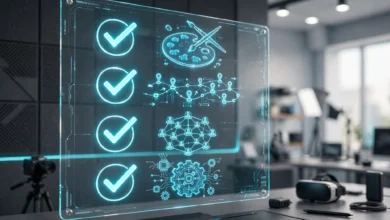
A Quick Checklist
- Does the NFT represent something with value outside crypto?
- Can you verify the partner, custodian, or issuer?
- Are redemption and transfer rules clear and written down?
- Is there steady, organic usage?
- Would the product still be useful if the token price fell by half?
If you can answer yes to all five, you are probably looking at one of the more serious NFT projects in its category. The Investor.gov alert on crypto asset risks is also worth reading before you put money into any digital asset.
Frequently Asked Questions
What are NFT projects with real-world use cases?
These are NFT projects where the token represents something valuable outside of crypto, such as a physical collectible, an event ticket, a product certificate, a property record, or a digital identity. The NFT makes that item easier to trade, verify, or transfer.
Are utility NFT projects a good investment?
Utility makes NFT projects more durable, but it does not guarantee profit. Prices still depend on demand, market conditions, and the health of the company behind the project. Treat any purchase as a use of the product first and a possible investment second.
Which NFT projects are best for beginners?
ENS and POAP are easy starting points because they are cheap or free and simple to use. Tokenized collectible NFT projects like Courtyard are also beginner-friendly because you can sign up with an email and pay by card.
Can NFTs replace property deeds or legal documents?
Not on their own in most places. Some real estate NFT projects pair blockchain records with traditional legal paperwork, but official land registries still have the final say.
Why did so many NFT projects fail?
Most failed NFT projects relied on hype and new buyers rather than a real product. When the market cooled, nothing was left to support their value. The NFT projects that lasted usually connected the token to something people needed anyway.
Conclusion
NFT projects have moved well beyond the profile picture boom, and the ones worth paying attention to in 2026 all link a token to something people already value in daily life. Courtyard and Collector Crypt turn vaulted trading cards into instantly tradable assets; Pudgy Penguins has carried an NFT brand onto Walmart and Target shelves; ENS and POAP give people portable identity and credentials; OPEN Ticketing fights fake tickets; the Aura Blockchain Consortium protects luxury buyers from counterfeits; Propy brings property records on-chain; Helium ties NFTs to real wireless hardware, and Immutable gives gamers true ownership of their items. These NFT projects still carry risks around custodians, legal recognition, fees, and speculation, so the smart approach is to ask what each NFT really represents, verify the partners behind it, read the redemption rules, and judge the product separately from any token price. Use those habits, and you will find that the best NFT projects today are less about hype and more about solving everyday problems.