NFT Project Checklist: 10 Proven Checks to Spot Red Flags Before Investing
NFT project due diligence made simple: check the team, contract, trading data and legal risks, with lessons from real rug pulls and fraud cases.
An NFT project can look irresistible from the outside. Beautiful artwork, a buzzing Discord server, a roadmap full of promises, and a countdown to mint day that makes you feel you will miss out forever if you do not buy now. During the NFT boom, that feeling made a lot of people money. It also cost many more people their savings.
The reality is that most NFT collections lose almost all their value, and a meaningful number were never meant to succeed at all. Some creators collected millions of dollars in mint proceeds and vanished within days. Others faked trading volume to make their collections look popular, or sold NFTs as investments in ways regulators later called illegal securities offerings. Even an employee of the largest NFT marketplace was prosecuted over secretly buying NFTs before they were featured on the site’s homepage.
None of this means every NFT is a scam. Digital art, gaming items, memberships, and community projects can have real value to the people who enjoy them. But if you are spending real money, you need a method, not a hunch.
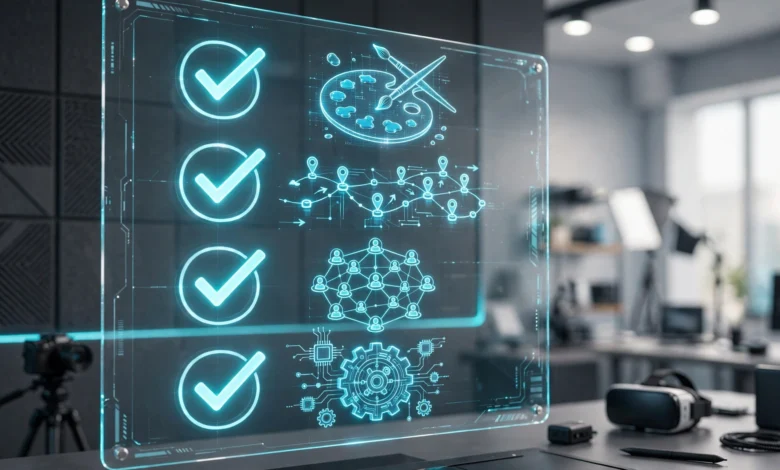
This guide gives you a practical, ten-point way to evaluate an NFT project before investing. We look at the team, the smart contract, trading data, community health, rights, and legal risks, and we walk through real fraud and enforcement cases so you can recognize the same patterns before they cost you.
Why You Must Evaluate an NFT Project Before Buying
Before looking at the checklist, it helps to see the market as it really is, not as social media presents it. Any NFT project you consider is competing in a market that has shrunk dramatically since its peak.
The Numbers Behind the Hype
In September 2023, a report from crypto site dappGambl looked at 73,257 NFT collections and found that 69,795 of them had a market cap of zero Ether. According to The Register’s coverage of the study, only 21% of the collections examined had fully sold out, and 18% of the top collections tracked by CoinMarketCap had a floor price of zero. The researchers also identified nearly 196,000 more collections with no apparent owners at all.
It is fair to note that dappGambl is itself a crypto gambling site and that the methodology has limits. But the direction is clear, and it matches what most traders saw: the overwhelming majority of collections lost most or all of their value after the 2021 to 2022 boom.
What This Means for You
- Assume most projects will fail. Your job is to find reasons a specific project might be different, not reasons it might moon.
- Liquidity matters as much as price. An NFT “worth” 1 ETH on paper is worthless if nobody will buy it.
- Hype fades fast. A packed Discord on launch day says little about whether the project will exist in six months.
- Only spend what you can afford to lose entirely. This is not a cliché in the NFT market. It is the most likely outcome.
Investing vs Collecting
It helps to be honest with yourself about why you are buying. If you love the art, want access to a community, or enjoy a game, the value you get may not depend on resale price. If you are buying purely to flip for profit, you are speculating in one of the riskiest corners of crypto, and your NFT due diligence needs to be far stricter.
The Common Ways Buyers Lose Money
- Rug pulls: Creators take the mint money and abandon the project.
- Fake demand: Wash trading and bots make a collection look popular.
- Broken promises: Roadmaps that were never realistic or funded.
- Smart contract tricks: Hidden functions that let creators mint extra tokens or drain funds.
- Phishing and fake mints: Copycat websites that steal your funds instead of selling you an NFT.
- Legal problems: Projects sold as investments that later face regulatory action.
The ten checks in the next section are designed to catch each of these.


10 Proven Checks to Evaluate an NFT Project
Work through these checks in order. If a project fails the early ones, especially the team and contract checks, you usually do not need to go further.
1. Investigate the Team
Anonymous founders are common in crypto, but anonymity removes accountability. Ask:
- Are the founders publicly identified (“doxxed”), with real names and verifiable work history?
- Have they built anything before, and what happened to those projects?
- Are artists and developers credited, and do they confirm their involvement on their own accounts?
- Is there a registered company behind the project, with a jurisdiction and contact details?
A public team is not a guarantee, as some rug pulls involved named people. But an anonymous team with no track record is a major risk.
2. Judge the Utility Honestly
NFT utility is what the token actually does beyond being a picture. Real utility might include game items that work in a live game, event access, physical goods, or software features. Be skeptical of vague promises like “metaverse integration,” “future airdrops,” or “passive income.” Ask whether the utility exists today or only on a roadmap.
3. Stress-Test the Roadmap
A good NFT roadmap is specific, realistic, and funded. Look for clear milestones with dates, and check whether earlier milestones were actually delivered on time. Roadmaps promising games, films, and merchandise all at once from a tiny team are a warning sign. Ask how the mint proceeds will pay for the plan.
4. Review the Smart Contract
The smart contract controls the NFTs. Check:
- Is the contract verified and readable on a block explorer such as Etherscan?
- Has it been audited by a reputable security firm, and is the audit public?
- Can the owner mint unlimited extra NFTs, change metadata, freeze transfers, or withdraw funds at will?
- Where is the artwork stored? Decentralized storage like IPFS or Arweave is more durable than a private server the team could switch off.
If you cannot read code, look for independent reviews or ask in technical communities, and treat unverified contracts as high risk.
5. Assess Community Health
A large Discord or follower count can be bought. Look for quality instead:
- Are conversations real, with thoughtful questions and answers, or mostly “wen moon” spam and bots?
- Do moderators answer hard questions, or ban people who raise concerns?
- Is engagement organic across platforms, or does it spike only around paid promotions?
6. Analyze Trading Data
On-chain data tells you what is really happening:
- Floor price and volume trends over weeks and months, not just today
- Number of unique holders compared with total supply. A few wallets holding most of the supply can crash the price.
- Wash trading signs, such as the same NFTs moving back and forth between linked wallets at rising prices
- Listing ratio: a high share of supply listed for sale often signals holders rushing to exit
7. Understand the Tokenomics and Fees
Check total supply, mint price, how much the team keeps, and creator royalties on resales. Large team allocations or hidden reserves can flood the market later. If there is an associated token, examine its distribution and unlock schedule too.
8. Confirm Intellectual Property Rights
Owning an NFT usually does not mean owning the artwork’s copyright. Read the license: can you display it, use it commercially, or create derivatives? Also confirm the art is original. Copycat collections and stolen artwork have been sold as NFTs many times, and the original creators can file takedowns or lawsuits.
9. Verify the Marketplace and Collection Links
Always buy through the official collection page on a reputable marketplace, ideally one with a verification badge, and confirm the contract address matches what the official project channels publish. Scammers routinely create fake collections with identical names and artwork.
10. Check the Legal and Regulatory Picture
If a project markets NFTs mainly as investments, with promises of profits from the team’s efforts, regulators may treat them as securities. In the United States, the SEC has brought cases on exactly this basis. Also consider your own country’s laws on crypto ownership, tax, and consumer protection.
Quick Scoring Table
| Check | Green flag | Red flag |
|---|---|---|
| Team | Public, experienced, accountable | Anonymous, no history |
| Utility | Working today | Only promised |
| Roadmap | Specific and funded | Vague and overambitious |
| Contract | Verified and audited | Unverified, owner can mint or drain |
| Community | Real discussion | Bots, bans for criticism |
| Trading | Broad holders, steady volume | Whale concentration, wash trades |
| Tokenomics | Clear and fair | Large hidden team reserves |
| IP rights | Clear license, original art | Unclear or copied |
| Marketplace | Verified official collection | Unverified copies |
| Legal | No profit promises | Marketed as an investment |
Real NFT Project Frauds and What They Teach
The best way to sharpen your judgment is to study what actually went wrong. Each case below maps to one or more checks in the previous section.
Frosties: The First US NFT Rug Pull Prosecution
In March 2022, US federal authorities arrested the two 20-year-old founders of the Frosties NFT collection. Prosecutors alleged that after selling out the collection, the creators abandoned the project and kept about $1.1 million from buyers. It was the Justice Department’s first criminal rug pull case involving NFTs.
Checks it would have triggered: anonymous team, unrealistic roadmap, and mint funds sent straight to the creators with nothing locked for the promised development.
Mutant Ape Planet: A Rug Pull the Founder Admitted Online
Mutant Ape Planet minted in February 2022 as a 9,999-piece collection clearly modeled on Yuga Labs’ Mutant Ape Yacht Club, though not affiliated with it. Buyers were promised rewards, a token, giveaways, and merchandise. According to the US Attorney’s Office for the Eastern District of New York, founder Aurelien Michel diverted more than $2.9 million of buyers’ crypto to wallets he controlled and admitted the rug pull in a chat with holders, blaming the community for being “too toxic.” He was arrested at JFK airport in January 2023 and later pleaded guilty to wire fraud. In late 2024, he was sentenced to time served, fined $15,000, and ordered to forfeit $1.4 million.
Checks it would have triggered: copycat branding, anonymous founder using an alias, promised utility that never existed, and a roadmap built entirely on future rewards. Blockchain investigators also linked the same person to earlier collapsed collections, which a team history check could have revealed.
Baller Ape Club and Other Copycat Projects
In 2022, the Justice Department also charged the creator of the Baller Ape Club collection over an alleged rug pull of about $2.6 million. Like Mutant Ape Planet, it borrowed the look of a famous collection. Copying a successful brand is a common tactic because it borrows trust the project has not earned.
The OpenSea Insider Trading Case
In 2022, prosecutors charged Nathaniel Chastain, a former product manager at OpenSea, with secretly buying NFTs before they were featured on the marketplace’s homepage and selling them after prices rose. He was convicted of wire fraud and money laundering in 2023. However, in July 2025 a federal appeals court overturned the conviction, finding that the jury had been improperly instructed, and prosecutors later decided not to retry the case.
What it teaches: Price spikes can be driven by people with information you do not have. Even if insider behavior is not always criminal, it can still hurt ordinary buyers who chase a sudden pump.
SEC Actions Over NFTs Sold as Investments
In 2023, the US Securities and Exchange Commission brought its first NFT-related cases. It charged media company Impact Theory over NFTs that the SEC said were marketed as investments in the company’s future success, and it later charged the creators of the Stoner Cats animated series over a similar NFT sale. Both settled without admitting or denying the findings. US regulatory priorities around crypto shifted significantly in 2025, but these cases still show how projects that promise profits can create legal problems for everyone involved.
Checks it would have triggered: marketing focused on investment returns rather than the product itself.
Wash Trading and Fake Volume
Research and on-chain analysis during the boom found that a large share of volume on some marketplaces came from wash trading, where the same person trades NFTs between their own wallets to inflate prices or farm marketplace rewards. A collection with huge volume but few unique buyers may be an illusion.
Phishing and Fake Mint Sites
Many buyers never reach a real project at all. Scammers clone popular collections, hijack project Discord or social accounts, and post fake mint links that drain wallets. These attacks hit legitimate projects too, which is why verifying links through multiple official channels matters.
NFT Project Red Flags, Tools, and Safe Buying Habits
This section pulls everything together into practical steps you can use before your next purchase.
Top NFT Red Flags
Walk away, or at least slow down, if you see any of these NFT red flags:
- Anonymous team with no verifiable history
- Artwork or branding that copies a famous collection
- Promises of guaranteed profits, passive income, or “floor price support”
- A roadmap packed with big promises but no budget or delivered milestones
- Unverified or unaudited smart contract, or one that lets the owner mint more or withdraw funds freely
- Discord or social channels that ban critics or are dominated by bots
- Huge trading volume concentrated among a handful of wallets
- Pressure tactics such as countdown timers, “last chance” messages, and whitelist hype
- Mint links shared only in DMs or unofficial posts
- Creators who refuse to answer specific questions about how funds will be used
Useful Research Tools
You do not need to be a developer to do solid NFT research. These types of tools help:
- Block explorers such as Etherscan or Solscan to check the contract, its verification status, owner permissions, and where mint funds went.
- NFT analytics platforms that show holder distribution, volume history, and wash trading indicators.
- Marketplace verification badges to confirm you are on the official collection page.
- Approval checkers to review and revoke contracts that can spend your tokens.
- Independent researchers and on-chain investigators who publicly document scams and link wallets to past rug pulls.
- Official regulator resources, such as the SEC’s investor alerts on crypto and NFT risks, for general warning signs of investment fraud.
A Simple Pre-Purchase Routine
- Find the official website, social accounts, and contract address, and confirm they all match.
- Research the team and their past projects.
- Read the contract on a block explorer or find an independent audit.
- Check holder distribution and trading history.
- Read the license to understand what rights you get.
- Decide your maximum spend, assuming you could lose all of it.
- Buy from the verified collection page, using a wallet with only the funds you need.
- After buying, review and revoke unnecessary approvals.
Protect Your Wallet While Buying NFTs
- Use a separate “burner” wallet for minting and trading, and keep valuable assets in a hardware wallet.
- Never share your seed phrase, and never sign transactions you do not understand.
- Ignore unsolicited airdrops and links, even if they appear to come from known projects.
- Double-check URLs, and bookmark official sites.
Taxes and Legal Responsibilities
Buying, selling, and trading NFTs can create tax obligations in many countries. Keep records of purchase prices, fees, and sales. Also check whether your country restricts or regulates crypto and NFT trading. Rules are changing quickly, and ignorance rarely works as a defense.
Ethical Collecting
Evaluation is not only about protecting your money. Avoid supporting projects that steal artwork, impersonate real artists, or rely on manipulating other buyers. A healthier NFT market depends on collectors who reward honest creators and refuse to fund the ones who are not.
Conclusion
Evaluating an NFT project before investing comes down to replacing hype with evidence. The market reality is harsh, with one widely reported 2023 study finding that about 95% of more than 73,000 collections had a market cap of zero, so every purchase should start from the assumption that you could lose it all. The ten checks in this guide, covering the team, utility, roadmap, smart contract, community, trading data, tokenomics, intellectual property, marketplace verification, and legal risks, are built to catch the patterns behind real failures: the Frosties and Mutant Ape Planet rug pulls that ended in federal charges, copycat projects like Baller Ape Club, sudden price moves driven by people with inside information as in the OpenSea case that was later overturned on appeal, SEC actions against NFTs marketed as investments, and widespread wash trading and phishing. Use block explorers and analytics tools, buy only from verified collections with a separate wallet, keep records for taxes, and support honest creators, and you will be far better placed to judge whether any NFT project deserves your money.