Music NFT Platforms: 10 Powerful Picks Changing the Industry, and the Hard Truths
Music NFT platforms compared honestly: which ones still pay artists, which shut down, and the legal disputes every musician and fan should know.
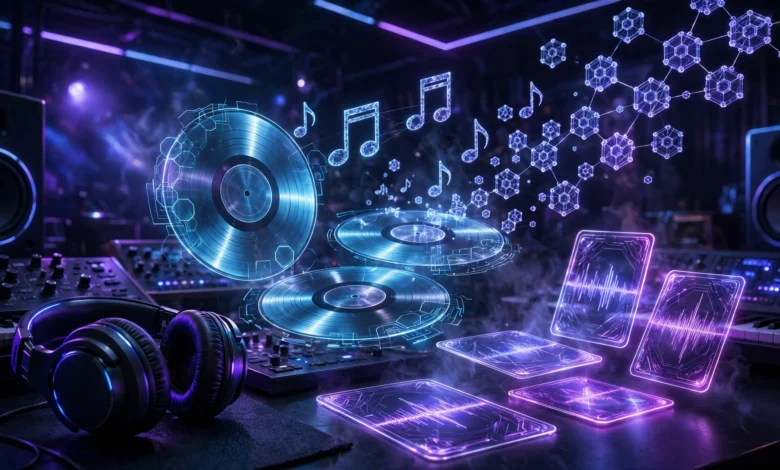
Music NFT platforms promised to fix one of the most frustrating problems in modern music: artists earn tiny amounts from streaming while platforms and labels capture most of the value. The pitch was simple and appealing. Sell songs, albums, and exclusive experiences directly to fans as digital collectibles, keep most of the money, and earn royalties every time a collector resells.
For a while, it worked better than many skeptics expected. Independent musicians raised meaningful sums from small groups of devoted fans. Well-known artists experimented with album drops, royalty shares, and token-gated communities. Some fans genuinely enjoyed owning a piece of an artist’s journey.
But the honest story is messier. Several high-profile platforms shut down or pivoted after the NFT market cooled. Marketplaces stopped enforcing creator royalties. One site was accused of selling NFTs of artists’ songs without their permission. A famous rapper’s attempt to auction rights to a classic album ended up in court. Promises of “owning a share of royalties” also raised serious securities law questions.
This guide takes a realistic look at the space. We explain how music NFTs work, review ten platforms that have shaped the industry, including which ones are still active and which have closed, walk through real legal and ethical failures, and share practical advice for artists and fans. If you are a musician considering NFTs or a fan thinking about buying, you will get a clear picture of both the opportunity and the risks.
How Music NFT Platforms Work
Music NFT platforms let artists release songs, albums, artwork, or experiences as non-fungible tokens on a blockchain. Each token is a unique or limited-edition digital item that a fan can buy, hold, and often resell.
What a Music NFT Can Include
- A collectible edition of a song, such as one of 100 numbered copies of a new single
- One-of-one releases, where a single collector owns the official NFT of a track
- Exclusive content, like unreleased demos, stems, or behind-the-scenes footage
- Access and perks, such as listening parties, presale tickets, or private communities
- Royalty shares, where buyers receive a portion of streaming income (this model carries legal complexity, covered below)
How Artists Earn
- Primary sales: The artist earns most of the money from the first sale, often far more per fan than streaming pays.
- Resale royalties: Smart contracts can pay the artist a percentage when the NFT is resold. However, many major marketplaces made these royalties optional after 2022, so artists can no longer count on them.
- Ongoing fan relationships: Collectors are often the most loyal fans, which helps with tours, merchandise, and future releases.
What Owning a Music NFT Usually Does Not Mean
Buying a music NFT rarely gives you the copyright to the song. In most cases, you own a token linked to the music plus whatever specific rights the license grants, which might be personal display only. Fans who assume they “own the song” are often mistaken, and that misunderstanding has fueled disputes.
The Market Reality in 2026
The music NFT boom of 2021 and 2022 brought big funding rounds and celebrity drops. Since then, the sector has contracted sharply. Several of the best-known music NFT marketplaces have shut down, including Sound.xyz, which went offline in January 2026, and Catalog, which closed in March 2026. General NFT marketplaces kept running, while some music-focused platforms shifted toward artist coins, subscriptions, or streaming.
This does not mean the idea failed completely. Artists did earn real money, and some lessons, such as storing music on permanent decentralized storage, have proven valuable. But anyone getting involved today should do so with clear eyes.
Music NFTs vs Streaming
| Streaming | Music NFTs | |
|---|---|---|
| Income per fan | Very small | Potentially much larger |
| Who sets the price | Platform | Artist |
| Ownership for fans | None | A token plus limited rights |
| Reach | Massive | Small, niche communities |
| Stability | Established | Volatile, platforms can close |
Top 10 Music NFT Platforms That Shaped the Industry
Most “top music NFT platforms” lists online still recommend sites that no longer work. That is unfair to readers. Below are ten platforms that have shaped the space, with their status as of October 2026. Some are active and useful today. Others have closed, but their stories explain where the industry is heading.


| Platform | Type | Status (October 2026) |
|---|---|---|
| OpenSea | General NFT marketplace | Active |
| Rarible | General, multi-chain marketplace | Active |
| Audius | Decentralized music streaming with gated content and artist coins | Active |
| Zora | Onchain creator platform | Active, now focused on creator coins |
| Sound.xyz | Music-specific NFT platform | Offline since January 16, 2026 |
| Catalog | One-of-one music NFTs | Shut down March 9, 2026 |
| Royal | Tokenized music royalties | Reported to have wound down |
| Nina Protocol | Independent music marketplace | Shut down July 2026, acquired by SoundCloud |
| Foundation | Curated art and music NFTs | Offline in 2026 |
| Nifty Gateway | Premium drops marketplace | Shut down February 2026 |
Active Platforms You Can Use Today
1. OpenSea
OpenSea is the largest general NFT marketplace and, according to iTechGuides’ 2026 review of music NFT marketplaces, the clearest general-purpose starting point for minting a new music NFT. It supports audio files, multiple blockchains, and collection pages. The downside is that music is a small corner of a huge marketplace, so discovery is harder, and creator royalties are not always enforced.
2. Rarible
Rarible is a multi-chain marketplace where artists can mint and sell NFTs, including audio. It offers more flexibility in chain choice and is a reasonable alternative to OpenSea for artists who want to reach collectors on different networks.
3. Audius
Audius began as a decentralized alternative to SoundCloud and remains active. Rather than relying on classic music NFT drops, it lets artists sell gated tracks, stems, and collectibles directly to fans, and it has added artist coins for fan communities, including a 2025 launch with rapper Kodak Black. The AUDIO token has fallen sharply from its 2021 highs, a reminder that platform tokens carry their own risks.
4. Zora
Zora built a popular onchain protocol that music platforms such as Catalog once used. It now focuses on creator coins rather than traditional NFT collections. Artists comfortable with crypto can still use it to publish content onchain, but it is no longer a dedicated music NFT marketplace.
Influential Platforms That Have Closed
5. Sound.xyz
Sound.xyz was the most respected music-specific NFT platform of the last cycle, known for listening parties and features that let collectors leave comments on tracks. It went offline on January 16, 2026, as its team moved on to a new app. Existing Sound collectibles remain onchain and may still be transferable on other marketplaces.
6. Catalog
Catalog focused on one-of-one music NFTs, treating each release like a unique vinyl pressing. It disabled uploads and purchases on March 2, 2026, and shut down a week later, after reportedly paying more than $3 million to artists over its life. Because the music was stored on Arweave, a permanent storage network, the files remain accessible. That design choice is one of the clearest lessons for any future platform.
7. Royal
Co-founded by DJ and producer 3LAU, Royal raised a $55 million Series A led by a16z in 2021 to let fans buy shares of streaming royalties as NFTs. Drops with Nas, The Chainsmokers, and Diplo drew huge attention. Industry retrospectives report that Royal wound down its service in 2024. Its royalty-share model also raised legal questions, discussed below.
8. Nina Protocol
Nina Protocol was an independent, artist-friendly music marketplace built on blockchain technology. It shut down in July 2026 and was acquired by SoundCloud, showing that mainstream music companies still see value in some of the ideas web3 music explored.
9. Foundation
Foundation was a curated NFT platform used by visual artists and musicians alike. It went offline in 2026, adding to the list of art marketplaces that could not survive the downturn.
10. Nifty Gateway
Nifty Gateway hosted high-profile drops, including music-related releases, and made buying NFTs easier with credit card payments. It shut down in February 2026.
What the Closures Teach
- Platforms are temporary; storage choices are permanent. Music on Arweave or IPFS survived Catalog’s closure.
- Tokens can outlive marketplaces. NFTs remain in wallets even when the website disappears.
- Artists need direct fan relationships that do not depend on any one platform.
Legal and Ethical Failures on Music NFT Platforms
The promise of music NFTs was fairness for artists. Ironically, some of the most notable cases involved artists’ rights being ignored. These examples show what can go wrong and why rights clarity matters.
HitPiece: NFTs of Songs Without Artists’ Permission
In early February 2022, a new site called HitPiece launched a beta that offered NFTs tied to thousands of songs, apparently built using data pulled from Spotify’s API. Artists and fans quickly discovered that many musicians had never been asked for permission. On February 4, 2022, the Recording Industry Association of America sent a demand letter on behalf of major labels, calling the site’s conduct “outright theft” and demanding it stop infringing musicians’ rights and account for its sales. According to The Block’s report on the RIAA letter, the RIAA also warned the founders not to resume the scheme under another name. HitPiece took the site offline and said it had not sold copyrighted music without permission.
Lesson for fans: Before buying, confirm that the artist or rights holder actually authorized the release, ideally through the artist’s own verified channels.
The “Reasonable Doubt” NFT Dispute
In June 2021, Roc-A-Fella Records sued co-founder Damon Dash, alleging he was trying to auction an NFT representing rights to Jay-Z’s 1996 debut album Reasonable Doubt on the SuperFarm platform. The label argued that it owned all rights to the album and that no individual stakeholder held a direct ownership interest. The planned auction was canceled. Dash disputed the claims, saying he intended to sell his stake in the label, not the album itself. In June 2022, the parties settled: Dash could sell his one-third stake in Roc-A-Fella but could not dispose of any property interest in Reasonable Doubt.
Lesson: Music rights are often split among labels, publishers, writers, and performers. An NFT is only as legitimate as the rights behind it.
Royalty-Share NFTs and Securities Law
Platforms like Royal let fans buy NFTs that paid a share of streaming royalties. That model can look a lot like an investment contract, which may make it a security under US law. Royal invested in legal infrastructure to handle this, but the wider point stands. In 2023, the US Securities and Exchange Commission brought its first NFT cases against media company Impact Theory and the creators of the Stoner Cats animated series, arguing their NFTs were sold as investments. Both settled. A music NFT pitched mainly as a way to earn money from an artist’s success carries similar legal risk for both the artist and the platform.
Disappearing Creator Royalties
Many artists joined NFT platforms because smart contracts promised royalties on every resale. Starting in 2022, major marketplaces competing for traders made creator royalties optional or limited their enforcement. This was not illegal, but it broke a core promise of the model and cut artists’ long-term income.
Streaming Fraud: A Warning From the Wider Music Industry
In 2024, US federal prosecutors charged a North Carolina man, Michael Smith, with using hundreds of thousands of AI-generated songs and automated bot accounts to collect more than $10 million in streaming royalties. It was described as the first criminal case of its kind. While not an NFT case, it shows how digital music income systems attract fraud, and why any platform tied to plays, royalties, or rankings needs strong safeguards.
Unauthorized Minting and Copycat Collections
On open marketplaces, anyone can upload content. Artists have found their songs, cover art, or name used in collections they never created. Fans who buy these tokens own nothing of value, and the real artist earns nothing.
Pump-and-Dump and Wash Trading
Like other NFTs, some music collections were pushed with paid promotion and fake trading volume, then abandoned. Fans who bought at the peak lost money while early holders exited.
Key Takeaways
- Rights must be clear and documented before any music NFT is sold.
- Royalty-sharing promises can trigger securities laws.
- Platform policies on royalties can change at any time.
- Fraud follows money in every corner of digital music, so verification is essential.
How to Use Music NFT Platforms Safely
Whether you make music or love collecting it, a few habits will protect your money, your rights, and your reputation.
For Artists
- Confirm you own the rights. Check your label, distribution, publishing, and co-writer agreements before minting anything. If others share ownership, get written permission.
- Be clear about what buyers get. State plainly whether the NFT includes any copyright, commercial use, or royalty rights. Most should include personal enjoyment and perks only.
- Avoid investment language. Do not promise that NFTs will rise in value or pay returns unless you have proper legal advice. Profit promises can create securities law problems.
- Store your music permanently. Choose platforms or tools that use decentralized storage such as Arweave or IPFS, so your work survives if the platform closes, as Catalog’s did.
- Do not rely on resale royalties. Price your primary sales knowing secondary royalties may not be paid.
- Own your fan relationships. Keep an email list or community you control, since platforms can shut down.
- Watch for impersonators. Search marketplaces regularly for fake collections using your name or music, and report them.
- Understand taxes. NFT sales are usually taxable income. Keep records.
For Fans and Collectors
- Buy from verified sources. Use links from the artist’s official website or verified social accounts, and check the contract address.
- Read the rights. Know whether you are buying a collectible, perks, or anything more. Assume you do not own the song.
- Think of it as support, not investing. The healthiest reason to buy a music NFT is to back an artist you love.
- Check the platform’s status. Many platforms have closed, and some listings online are outdated.
- Protect your wallet. Use a separate wallet for buying NFTs, never share your seed phrase, and ignore surprise airdrops.
- Be wary of royalty promises. If someone guarantees income from a song, ask how it is structured and whether it complies with the law.
Red Flags in Music NFT Drops
- The artist has not mentioned the drop on their own channels
- A collection uses a famous artist’s name but is not verified
- Promises of guaranteed returns or “passive income”
- Pressure to buy instantly, with countdowns and hype from unknown accounts
- No clear explanation of rights, storage, or what happens if the platform closes
Where Music NFTs Might Go Next
The sector is shifting from speculative collectibles toward tools that help artists build direct fan relationships, such as gated content, fan clubs, and artist coins, and toward mainstream companies absorbing web3 ideas, as SoundCloud did with Nina Protocol. Rules around digital assets also continue to evolve. Organizations such as the Recording Industry Association of America remain active in policing unauthorized use of recordings, which will keep shaping what platforms can legally offer.
Conclusion
Music NFT platforms changed the conversation about how artists get paid, even if many of them did not survive. Today, general marketplaces like OpenSea and Rarible, the decentralized streaming service Audius, and the creator-coin platform Zora remain active, while influential music-focused names such as Sound.xyz, Catalog, Royal, Nina Protocol, Foundation, and Nifty Gateway have closed, been acquired, or wound down. Their lessons are clear: store music permanently, build direct fan relationships, and never rely on resale royalties alone. The industry’s legal failures teach just as much, from HitPiece selling NFTs tied to artists’ songs without permission until the RIAA intervened, to the Reasonable Doubt dispute that ended with Damon Dash barred from selling any interest in the album, to the securities risks of royalty-share NFTs and the broader streaming fraud cases that show how digital music income attracts abuse. Artists who confirm their rights and avoid investment promises, and fans who buy from verified sources to support creators rather than speculate, can still get real value from music NFT platforms in a smaller, more honest market.