Top NFT Communities: 9 Proven Projects Building Real Long-Term Value in 2026
Top NFT communities building long-term value in 2026, from Pudgy Penguins to Art Blocks, and how to judge which holder groups will actually last.
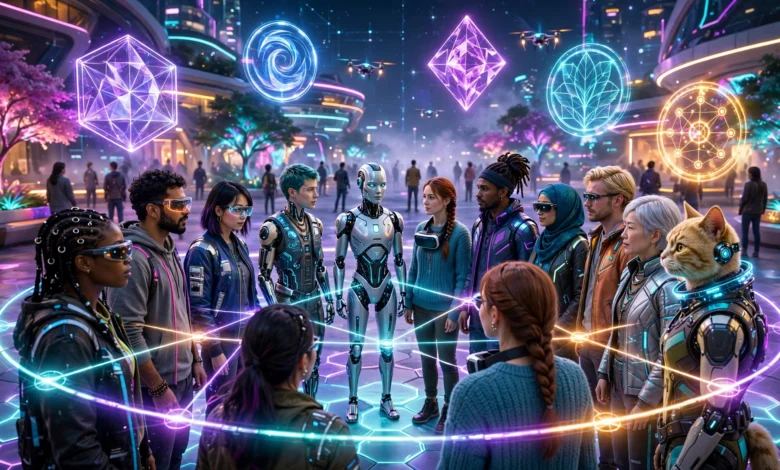
Top NFT communities look very different in 2026 than they did during the 2021 mania. Back then, a cartoon avatar and a busy Discord were enough to push floor prices into six figures. Most of those projects are gone now. The ones still standing had to figure out something harder: how to give people a reason to stay after the hype faded.
That shift is the real story of the NFT market right now. Trading volume is a fraction of its peak, and even well-funded teams are cutting back. In October 2026, Igloo Inc., the company behind Pudgy Penguins, announced it was shutting down its own Ethereum layer-2, Abstract, after deciding a chain built only for consumer crypto could not support itself. If a project that strong is trimming its ambitions, it tells you how tough the environment is.
Still, a small group of NFT projects keeps showing signs of long-term value. They sell physical products, license their art, fund artists, run real governance, or have simply earned a place in internet history. Their holders show up for reasons beyond price.
This guide breaks down which NFT communities fit that description, what they are actually building, and where each one carries risk. You will also get a simple framework for judging any NFT community yourself, so you can tell the difference between a group that is building something and one that is just loud. Nothing here is financial advice. Think of it as a field guide written by someone who has watched a lot of projects come and go.
What Makes NFT Communities Valuable Long Term
A strong NFT community is not the same thing as a high floor price. Price is a snapshot of what one buyer paid on one day. Community value is the stuff that keeps people around when that number drops by 80%, which it has for nearly every collection at some point.
If you look at the projects that survived the 2022 crash and the long slump after it, a few patterns show up again and again.
Real Brand Reach Outside Crypto
The NFT brands that last tend to find an audience that has never opened a crypto wallet. Toys on store shelves, kids’ books, animated content, sports tie-ins, and museum shows all bring in people who care about the characters or the art, not the token. That outside demand gives holders something a speculative market cannot: a reason for the brand to exist even when trading is quiet.
Cultural or Historical Weight
Some collections matter because of when and how they were made. Early experiments like CryptoPunks or the first generative art drops on Art Blocks are part of the history of the medium. That kind of status is hard to copy and tends to grow with time, the same way early photographs or prints became more important as their mediums matured.
Clear Ownership and Stewardship
Holders need to know who is responsible for the brand and what happens to it next. Communities run by a stable foundation, a well-funded company, or a working DAO usually hold together better than ones where the founders went quiet. Transparent roadmaps and honest updates matter more than big promises.

Holder Benefits That Make Sense
The best NFT utility is simple and believable. Think IP licensing rights, royalties from physical products, governance votes, access to events, or early access to new releases. Complicated reward systems built on a new token often look good for a few months and then fall apart.
A Social Layer People Actually Enjoy
Under all the business talk, people stay in an NFT community because they like the people in it. Meetups, shared jokes, collaborative art, and local chapters create a bond that a chart cannot measure. When that social layer is strong, holders often stick around even after they sell, which keeps the culture alive.
How We Picked the Top NFT Communities
To build this list of top NFT communities, we looked at the pages currently ranking for terms like best NFT communities, blue chip NFTs, and NFT projects with utility. Most of them rank collections by floor price or recent volume. That tells you what is hot this week, not what will still matter in five years.
So we used a different filter. Each project below had to show real progress on at least three of these five points:
- Survival: the project has been active for at least three years and made it through the 2022 to 2024 downturn.
- Outside reach: it has products, partnerships, or recognition beyond the crypto bubble.
- Stewardship: there is a clear team, company, foundation, or DAO responsible for its future.
- Holder value: owning the NFT gives you something concrete, such as IP rights, governance, access, or a share in what the brand builds.
- Culture: the community creates things on its own, from fan art to events, without being paid to.
We also paid attention to the bad news. A project that has made mistakes is not automatically out, but how a team handles setbacks says a lot about whether the community can last. Where a project has had a rough year, we say so plainly.
One more note: this is not a ranking by price, and none of it is a recommendation to buy. NFT investing is risky, and even the strongest brands can lose most of their market value. Use this list to understand what good looks like, then do your own homework.
9 Top NFT Communities Building Long-Term Value
Here are the top NFT communities that, in our view, are doing the slow work of building something lasting. Each one has strengths and weak spots, and we cover both.
1. Pudgy Penguins: The Mainstream Brand Play
Pudgy Penguins is probably the clearest example of an NFT brand that broke out of crypto. The original 8,888 penguins launched on Ethereum in July 2021, and under Luca Netz the team turned them into a consumer brand with Pudgy Toys sold in major retailers, children’s books, viral GIFs, and sports partnerships such as its collaboration with Manchester City.
The PENGU token launched on Solana in December 2024 through a large airdrop to NFT holders and the wider crypto community. In 2026 the team pushed further into everyday use with the Pengu Card, a co-branded payment card meant to let people spend the token at regular merchants.
What makes this community strong:
- A brand that kids and parents recognize without knowing anything about crypto
- Physical products that generate real revenue and give holders a story to tell
- A very active, upbeat holder culture with regular meetups
The risks are real too. Igloo Inc. announced in October 2026 that its Abstract blockchain will shut down on December 15, according to Decrypt’s report on the Abstract shutdown. A gaming partner also closed its games arm in mid-2026, retiring Pudgy Party. Neither kills the brand, but they show the company is cutting back on side bets and refocusing on its core IP.
2. CryptoPunks: The Museum-Grade Original
CryptoPunks are the closest thing the space has to a founding document. Larva Labs released the 10,000 pixel avatars in 2017, before the ERC-721 standard even existed. Yuga Labs bought the IP in 2022, then sold it in May 2025 to the Infinite Node Foundation, a nonprofit set up to preserve digital art.
That move changed the story. Punks are no longer a product line inside a company that needs quarterly growth. They are a cultural asset being placed into institutions. In December 2025, MoMA added eight CryptoPunks and eight Chromie Squiggles to its permanent collection through community donations, as covered in The Block’s report on the MoMA acquisition.
Why the Punks community holds up:
- Historical status that no new project can copy
- A nonprofit steward with a funded endowment and a museum program
- A holder base made up largely of long-term collectors rather than flippers
The downside is price. Punks are expensive and their market value has swung wildly, so the community is not very accessible to newcomers.
3. Art Blocks: The Home of Generative Art
Art Blocks, founded by Erick Calderon (Snowfro), turned on-chain generative art into a serious category. Its first collection, Chromie Squiggles, launched in November 2020, and later drops like Fidenza and Ringers became landmarks for digital art collectors.
The Art Blocks community is different from most PFP projects. People come for the art and the artists, not for a character or a token. Collectors discuss algorithms, outputs, and curation the way traditional art collectors talk about prints or editions.
Strengths include:
- Deep respect in the traditional art world, now backed by the MoMA acquisition
- A long list of serious artists with their own followings
- A collector culture built on taste and knowledge, which tends to last
The challenge is that art markets move slowly and generative art is still a niche. Value here is measured in years, not weeks.
4. Bored Ape Yacht Club: The Comeback Test
No list of blue chip NFTs is complete without the Bored Ape Yacht Club. BAYC launched in April 2021 and became the face of the NFT boom, complete with celebrity holders, ApeFest, and the ApeCoin token.
The last few years have been rough. Floor prices fell sharply, Yuga Labs sold off CryptoPunks and Meebits to focus on BAYC and Otherside, and the ApeCoin DAO was wound down in favor of a leaner structure. In April 2026, Yuga named a new CEO, with co-founder Greg Solano moving to chairman, and settled its long legal fight with artist Ryder Ripps.
Why it still makes the list:
- BAYC holders own commercial rights to their apes, a model that inspired much of the industry
- ApeFest and the holder network remain among the strongest social layers in Web3
- Yuga still has resources, its own chain (ApeChain), and a recognizable brand
This is the community to watch if you want to see whether a fallen giant can rebuild. The outcome is genuinely uncertain.
5. Azuki: Anime Culture With Big Ambitions
Azuki launched in January 2022 with a clean anime art style and a strong focus on brand and design. It hit a major setback in 2023 when the Elementals drop disappointed holders, but the team kept building.
In January 2025, the ecosystem launched the ANIME token, followed by AnimeChain and the Anime.com platform aimed at mainstream anime fans. The token lost most of its value after launch, which is a real warning sign. On the other side, the brand has kept pushing into physical products and storytelling, including a manga project.
What stands out:
- Anime is a massive global fan base with obvious crossover potential
- Strong design taste and consistent visual identity
- A team willing to take big swings
The main risk is execution. Big ambitions only build long-term value if they ship and find users.
6. Moonbirds: Reinvention Over Nostalgia
Moonbirds launched in April 2022 under Kevin Rose’s PROOF collective and briefly became one of the hottest collections on Ethereum. The project later changed hands and went quiet for a stretch.
In January 2026, Moonbirds launched Nesting 2.0 and the BIRB token on Solana, rewarding holders who nest their Moonbirds, Mythics, or Oddities over 24 months. It also released a game. This is a deliberate attempt to restart the community rather than live off old memories.
Why it is worth watching:
- A loyal core community that stayed through the quiet years
- Pixel art stored fully on-chain, which helps with permanence
- A clear relaunch plan with long reward timelines that favor patient holders
The risk is that token-driven relaunches often fade after the initial buzz. The next year will show whether new activity sticks.
7. Doodles: Creative Brand Building
Doodles launched in 2021 with bright, friendly art by Burnt Toast and quickly became known for its creative energy. The project brought in Pharrell Williams as chief brand officer in 2022 and has leaned into music, animation, and consumer products ever since. It also launched its own DOOD token in 2025.
The Doodles community is creative and upbeat, with a lot of fan-made content. Its leadership has said openly that it sees itself as an entertainment brand first, which is honest about where long-term value has to come from.
Strengths:
- A recognizable art style that works across media
- Ties to music and entertainment talent
- A community that makes things, not just trades things
The weak spot is focus. Doodles has tried many directions, and holders sometimes struggle to see a clear path.
8. Claynosaurz: The Animation-First Community
Claynosaurz started on Solana in 2022 with claymation-style dinosaurs and has built its whole strategy around animated content. The team, made up of veterans from major animation studios, has focused on producing a real series and building an entertainment property from the ground up.
This community is a good example of where digital collectibles may be heading: the NFT is a membership and fan badge, while the value comes from stories people actually watch.
Why it stands out:
- A professional animation team with industry experience
- A clear, single focus on content
- A friendly, family-oriented community tone
The risk is the cost of animation. Producing quality content is expensive and slow, and it needs mainstream distribution to pay off.
9. World of Women: Representation as Mission
World of Women, created by artist Yam Karkai in 2021, built its identity around diversity and women’s representation in Web3. It drew mainstream attention through partnerships, including a 2022 deal with Reese Witherspoon’s Hello Sunshine to explore film and TV projects.
What makes this NFT community different is purpose. Holders often join because they believe in the mission, which creates loyalty that does not depend on price. The community runs education programs, supports women artists, and has a strong social presence.
Strengths:
- A mission that gives people a reason to stay
- Recognized art and a founder with a real creative voice
- Mainstream media connections
The challenge is turning mission and partnerships into steady revenue that supports the brand over time.
Quick Comparison of the Top NFT Communities
| Community | Launched | Chain | Main value driver | Biggest risk |
|---|---|---|---|---|
| Pudgy Penguins | 2021 | Ethereum, Solana (PENGU) | Toys, retail, mainstream brand | Company cutting side projects |
| CryptoPunks | 2017 | Ethereum | History, museum stewardship | High price, low access |
| Art Blocks | 2020 | Ethereum | Generative art and artists | Slow, niche art market |
| Bored Ape Yacht Club | 2021 | Ethereum, ApeChain | Commercial rights, social network | Brand recovery uncertain |
| Azuki | 2022 | Ethereum, AnimeChain | Anime IP and design | Execution on big plans |
| Moonbirds | 2022 | Ethereum, Solana (BIRB) | On-chain art, relaunch | Token hype fading |
| Doodles | 2021 | Ethereum | Art style, music, entertainment | Lack of focus |
| Claynosaurz | 2022 | Solana | Animated series | High production cost |
| World of Women | 2021 | Ethereum | Mission and representation | Turning mission into revenue |
How to Evaluate an NFT Community Yourself
Lists like this one go out of date fast. The more useful skill is knowing how to judge any NFT community on your own. Here is a simple process that works for new and old projects alike.
Step 1: Look Past the Floor Price
Check the number of unique holders, how long people tend to hold, and whether the holder count is growing or shrinking. A collection where most wallets have held for years is usually healthier than one with a high floor and constant turnover. Tools on major marketplaces and analytics sites make this easy to check.
Step 2: Follow the Money
Ask where revenue comes from. Healthy NFT projects earn money from products, licensing, or services. Weak ones depend almost entirely on new mints, royalties from trading, or token sales. If the only income is people buying more NFTs, the model is fragile.
Step 3: Read the Team’s Track Record
Look at what the team has actually shipped, not what it has promised. Go back through announcements from a year or two ago and see how many turned into real products. Teams that deliver small things on time are usually a better bet than teams that announce huge things and go quiet.
Step 4: Spend Time in the Community
Join the Discord or follow the main X accounts for a couple of weeks. Notice whether people talk about art, events, and ideas, or only about price. Watch how moderators and founders handle criticism. A community that can disagree respectfully tends to survive hard times.
Common Red Flags to Watch For
- Constant talk about price targets and “wen moon” posts
- Founders who are anonymous with no history of past work
- A roadmap full of buzzwords but no dates or delivered items
- New tokens or side collections launched mainly to raise money
- Holder benefits that change every few months
- Moderators who ban people for asking reasonable questions
Green Flags That Suggest Staying Power
- Products or content that people outside crypto actually buy or watch
- Regular, honest updates, including about setbacks
- Long-term holders who are also active creators
- A clear owner or steward responsible for the brand’s future
- Real-world events that people attend year after year
Where the Top NFT Communities Are Heading Next
The future of NFTs looks less like a trading market and more like a set of fan clubs, art collections, and entertainment brands that happen to use blockchains. A few trends stand out across the top NFT communities right now.
Culture Coins Next to NFTs
Many of the biggest collections now have a companion token: PENGU for Pudgy Penguins, ANIME for Azuki, DOOD for Doodles, and BIRB for Moonbirds. The idea is to let more people join the community without buying an expensive NFT. The track record is mixed. Some tokens widened the audience, while others crashed soon after launch and left holders frustrated. Expect teams to be more careful with token launches going forward.
Moving Across Chains
Communities are no longer tied to one blockchain. Pudgy Penguins and Moonbirds both expanded to Solana, and several projects built their own chains. The Abstract shutdown shows the limits of that approach. Running a chain is expensive, and most brands are better off focusing on their IP than on infrastructure.
Institutions and Preservation
The CryptoPunks sale to a nonprofit and the MoMA acquisition point to a new path for the most historic collections. Instead of chasing growth, they are being treated as cultural artifacts. That could make early digital art collections more like rare prints or early photography over the long run.
Physical Products and Real Fans
The most durable value keeps coming from outside crypto. Toys, books, animation, apparel, and events turn holders into ambassadors and bring in fans who never touch a wallet. The NFT communities that win the next cycle will likely be the ones that already have customers, not just collectors.
Smaller, Tighter Groups
The days of 10,000-piece collections selling out in minutes are mostly gone. Newer communities tend to be smaller, more focused, and built around a specific artist, game, or interest. That is probably a healthy change. A few hundred committed members can sustain a project better than thousands of short-term traders.
FAQs About Top NFT Communities
What are the top NFT communities in 2026?
Some of the top NFT communities in 2026 include Pudgy Penguins, CryptoPunks, Art Blocks, Bored Ape Yacht Club, Azuki, Moonbirds, Doodles, Claynosaurz, and World of Women. Each has lasted through at least one major market downturn and is building something beyond trading.
Are NFTs still a good investment?
That depends on your goals and risk tolerance. Most NFTs have lost a large share of their peak value, and many will never recover. If you buy, treat it like collecting art or memorabilia: only spend what you can afford to lose, and buy things you would enjoy owning even if the price fell. This is not financial advice.
What makes an NFT project blue chip?
Blue chip NFTs are collections with a long track record, strong brand recognition, deep liquidity, and a large base of long-term holders. The label is informal, and projects can lose it quickly if the team or market falters.
How do I join an NFT community without buying an NFT?
Most communities have public Discord servers and X accounts that anyone can follow. Many also host open events, publish free content, or offer lower-cost entry points such as companion tokens or smaller collections.
Why do some NFT communities fail?
The most common reasons are founders leaving, no real revenue, broken promises, and holder benefits built on unsustainable token rewards. When the only reason to stay is price, people leave as soon as the price drops.
Conclusion
The top NFT communities of 2026 are not the loudest ones or the ones with the highest floor prices. They are the groups that found a reason to exist beyond speculation: Pudgy Penguins with toys and mainstream reach, CryptoPunks and Art Blocks with museum-level history, Bored Apes and Moonbirds with determined comebacks, Azuki, Doodles, and Claynosaurz with entertainment ambitions, and World of Women with a clear mission. Each faces real risks, from shutdowns and token crashes to slow-moving art markets, and none is a safe bet. But they share the traits that matter most for long-term value: real products, honest stewardship, holders who create rather than just trade, and a culture people want to be part of. Use those same traits as your filter, and you will be far better at spotting which NFT communities are building something lasting and which are just making noise.